
Are you experiencing hip discomfort that’s limiting your daily activities? Before considering surgery, explore these non-surgical options that can provide relief and improve your quality of life. At American Hip Institute, we are committed to providing innovative and effective treatments for hip conditions.
Cortisone Injections
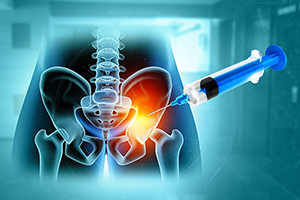
Cortisone injections are a common treatment for hip pain. They involve injecting a corticosteroid medication directly into the affected joint. This medication helps reduce inflammation and pain, providing temporary relief. Cortisone injections can be beneficial for conditions such as bursitis and tendinitis.
You may be a good candidate for orthobiologics therapy if you have been suffering from joint pain and want to improve your quality of life while avoiding complications related to invasive surgical procedures.
What Are Orthobiologics?
Orthobiologics are natural substances derived from the body that can help promote healing and reduce pain. It’s a form of regenerative medicine that utilizes the body’s natural healing mechanism to treat various conditions.
Orthobiologics are being used in regenerative medicine to renew and repair diseased or damaged tissues and have shown promising results in treatments of various orthopedic, cardiovascular, neuromuscular and autoimmune conditions. These natural substances are present in all of us, acting like a repair system for the body.
Orthobiologics treatments can include:
- Stem cell therapy: This involves injecting concentrated stem cells into the damaged area to stimulate tissue regeneration.
- Platelet-rich plasma (PRP) injections: PRP is a concentrated solution of platelets that contains growth factors that can aid in healing.
Stem Cell Therapy
Stem cell therapy is undifferentiated cells that have the unique ability to differentiate into certain types of tissues and self-renew. Cell therapy can be of two types, embryonic cell therapy or adult cell therapy. Embryonic cell therapy can differentiate into any cell of the body and adult cell therapy has the ability to differentiate into specific types of cells.
The field of orthopedics utilizes adult cell therapy found in bone marrow, amniotic fluid, or fat, called mesenchymal cell therapy, for treatment of many musculoskeletal diseases that have limited therapeutic options.
PRP Injections
PRP injections are a popular option for treating hip discomfort. They involve drawing a sample of your blood, separating the platelets, and injecting the concentrated platelet-rich plasma into the damaged area. This can help promote healing and reduce inflammation.
Cold Laser Therapy
Cold laser therapy, also known as low-level laser therapy, uses low-energy lasers to stimulate cellular activity and promote healing. This non-invasive treatment can help reduce pain, inflammation, and improve blood flow to the affected area.
Which Treatment is Right for You?
The best non-surgical option for your hip discomfort will depend on your specific condition, symptoms, and overall health. Our expert team at American Hip Institute will carefully evaluate your case and recommend the most appropriate treatment plan.
Schedule a consultation with our specialists today to learn more about these innovative non-surgical options and discover how we can help you achieve lasting relief.
FAQs
Q1: What are the best non-surgical treatments for hip pain? Several effective non-surgical options exist for managing hip pain depending on the underlying condition. These include cortisone injections to reduce inflammation from bursitis or tendinitis, platelet-rich plasma (PRP) injections to promote tissue healing, stem cell therapy to stimulate regeneration in damaged areas, and cold laser therapy to improve blood flow and reduce pain. The most appropriate treatment depends on the specific diagnosis, severity of symptoms, and overall health of the patient.
Q2: How do PRP injections help with hip pain? PRP injections involve drawing a small sample of the patient's own blood, concentrating the platelets, and injecting the platelet-rich plasma directly into the damaged area of the hip. Platelets contain growth factors that promote tissue healing and reduce inflammation, making PRP a particularly effective option for patients with soft tissue injuries, early cartilage damage, or chronic hip discomfort who want to avoid or delay surgical intervention.
Q3: What is the difference between cortisone injections and orthobiologic treatments for hip pain? Cortisone injections deliver a corticosteroid medication to reduce inflammation and provide temporary pain relief, making them useful for conditions like bursitis and tendinitis. Orthobiologic treatments such as PRP and stem cell therapy go a step further by using the body's own biological material to actively promote tissue healing and regeneration rather than simply managing symptoms. While cortisone offers faster short-term relief, orthobiologics aim to address the underlying tissue damage for longer-lasting results.
Q4: What is cold laser therapy and can it help hip pain? Cold laser therapy, also known as low-level laser therapy, uses low-energy lasers to stimulate cellular activity, improve blood flow, and reduce inflammation in the affected area. It is a completely non-invasive treatment that can complement other therapies for hip pain by supporting the body's natural healing processes. It is particularly useful for patients seeking a drug-free, surgery-free option to manage chronic hip discomfort or inflammation.
Q5: Who is a good candidate for non-surgical hip pain treatment? Non-surgical treatments are generally well-suited for patients experiencing hip discomfort that is limiting daily activities but who wish to avoid or delay surgery, as well as those who have not yet tried conservative care. Candidates for orthobiologic therapies in particular include patients with joint pain from early arthritis, soft tissue injuries, or cartilage damage who want to improve quality of life through the body's own healing mechanisms. A thorough evaluation by a hip specialist is the best way to determine which non-surgical approach aligns with your diagnosis and goals.