
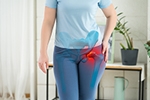

Hip pain after pregnancy is more common than many realize, especially in active women eager to return to exercise and daily routines. While discomfort is often blamed on muscle weakness or “normal” postpartum recovery, deeper changes within the body frequently play a role. Let’s explore how pregnancy-related hormonal and pelvic changes affect the hip joint.
Why Hip Pain Can Develop During and After Pregnancy
Pregnancy places unique mechanical and biological demands on the body. As the center of gravity shifts and body weight increases, the hips absorb greater forces during walking, standing, and activity. These stresses can persist well into the postpartum period, particularly when core strength and movement patterns have not fully normalized. For women who were highly active before pregnancy, these changes may feel especially limiting, interfering with exercise, childcare, and overall quality of life.
The Role of Hormonal Laxity in Hip Instability
Hormones such as relaxin increase during pregnancy to prepare the pelvis for childbirth. While essential, relaxin also affects ligaments throughout the body, including those that stabilize the hip joint. This temporary ligamentous laxity can reduce joint stability and allow subtle excess motion within the hip. In some women, this laxity does not fully resolve after delivery. The result can be microinstability, abnormal movement that stresses the labrum, cartilage, and surrounding muscles, leading to ongoing pain.
How Pelvic Changes Influence Hip Mechanics
Pregnancy alters pelvic alignment and muscle balance. The widening of the pelvis, changes in posture, and weakened abdominal and gluteal muscles can disrupt normal hip mechanics. These shifts may increase strain on the labrum and joint capsule, particularly during activities such as running, lifting, or transitioning from sitting to standing. Over time, compensatory movement patterns can reinforce pain and delay recovery if not properly addressed.
Common Symptoms of Postpartum Hip Dysfunction
Post-pregnancy hip pain may present as deep groin discomfort, lateral hip pain, clicking, stiffness, or a feeling of instability. Symptoms often worsen with prolonged standing, walking, or returning to higher-impact exercise. Because these symptoms overlap with other hip conditions, postpartum hip pain is frequently underdiagnosed or dismissed as routine recovery.
Restoring Hip Stability After Pregnancy: Evaluation and Treatment
Accurate diagnosis begins with a detailed history and physical exam that accounts for pregnancy-related changes. Advanced imaging may be needed when symptoms persist. Treatment often starts with targeted physical therapy focused on restoring pelvic stability, core strength, and hip control. In cases where structural injury or instability remains, minimally invasive hip arthroscopy may be considered to restore joint stability and function.
Addressing Hip Pain to Support Long-Term Joint Health
Persistent hip pain after pregnancy is not something women must simply live with. By addressing hormonal laxity, pelvic mechanics, and hip stability, modern orthopedic care offers effective solutions that support recovery and long-term joint health.
For women experiencing ongoing hip pain after pregnancy, a specialized evaluation can help identify the underlying cause and guide a safe return to activity and performance.
FAQs
Q1: How long does hip pain last after pregnancy?
Hip pain after pregnancy varies by cause. For many women, discomfort improves as hormonal laxity resolves and core strength returns — typically within a few months. However, if pain persists beyond 3–6 months or worsens with activity, it may signal an underlying issue like labral injury or pelvic instability that requires professional evaluation.
Q2: What causes hip pain after pregnancy?
Postpartum hip pain is often caused by a combination of hormonal changes (such as elevated relaxin loosening ligaments), shifts in pelvic alignment, weakened core and gluteal muscles, and increased mechanical stress on the hip joint during pregnancy. These factors can lead to joint microinstability, labral stress, and disrupted hip mechanics.
Q3: Is hip pain after pregnancy normal?
Some degree of hip discomfort is common postpartum, but it shouldn't be dismissed as routine. Pain that interferes with daily activities, exercise, or childcare — especially deep groin pain, clicking, or a feeling of instability — may indicate a condition that goes beyond typical recovery and warrants a specialized evaluation.
Q4: Can returning to exercise make postpartum hip pain worse?
Yes, returning to high-impact activity too soon — especially running, lifting, or jumping — can aggravate hip pain if pelvic stability and core strength haven't been restored. Compensatory movement patterns that develop during pregnancy can also reinforce pain if not addressed through targeted physical therapy first.
Q5: When should I see a doctor for hip pain after pregnancy?
You should seek a medical evaluation if hip pain persists beyond a few months postpartum, worsens with activity, or includes symptoms like deep groin pain, clicking, stiffness, or joint instability. A specialist can assess whether hormonal laxity, structural injury, or pelvic imbalance is contributing and recommend the right course of treatment.
Reference Links:
Orthopedic surgeons discuss the relationship between labral tears and postpartum hip pain