
Precision is the hallmark of success in joint replacement, where even a single millimeter can determine the difference between a natural-feeling joint and persistent discomfort. At the American Hip Institute, we integrate advanced robotic-assisted technology to redefine accuracy in hip and knee procedures. Let’s explore how robotics plays a critical role in protecting long-term outcomes for patients.
The Power of 3D Operative Mapping
While conventional surgical approaches rely largely on two-dimensional X-rays, robotic-assisted surgery uses 3D imaging to create a detailed, patient-specific model of the joint.
This virtual reconstruction allows surgeons to plan implant size, positioning, and alignment with exceptional precision. By mapping each patient’s unique anatomy and biomechanics, the procedure is tailored to restore natural joint motion rather than relying on generalized measurements.
Reducing Human Variability in the Operating Room
During surgery, the robotic system provides real-time data and tactile (haptic) feedback, guiding bone preparation according to the preoperative plan. This functions much like a GPS, helping the surgeon stay within exact boundaries while maintaining full control of the procedure.
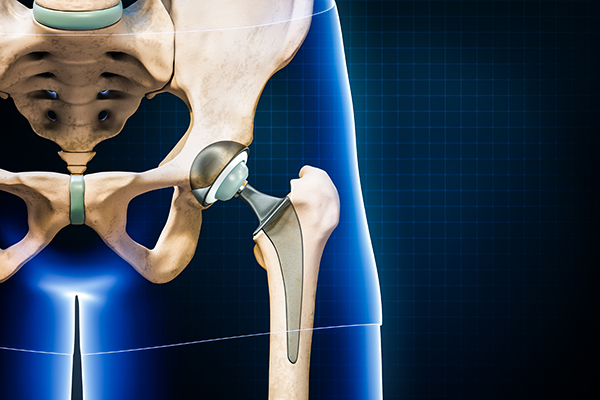
By limiting variability inherent to manual instrumentation, robotic assistance significantly reduces positioning errors. In knee replacement, this results in more balanced ligaments and improved alignment. In hip replacement, it allows precise socket placement to reduce impingement and instability while preserving healthy bone and soft tissue.
Impact on Recovery and Return to Activity
Accurate implant positioning often leads to a smoother rehabilitation process. When implants are aligned correctly, soft tissues experience less tension and imbalance, allowing more natural joint motion early in recovery.
While rehabilitation still depends on conditioning, physical therapy, and patient commitment, precise alignment supports safer progression back to activity. For active patients and athletes, this can translate into greater confidence and more predictable functional recovery.
Why Implant Accuracy Protects Long-Term Outcomes
The longevity of a joint replacement is directly tied to implant alignment. Even subtle positioning errors can increase wear, alter joint mechanics, and place excess stress on surrounding tissues. Over time, this may contribute to instability, discomfort, or the need for revision surgery.
Robotic-assisted precision helps ensure forces are distributed evenly across the joint, closely mimicking natural biomechanics. This level of accuracy supports implant durability, joint stability, and long-term performance, particularly important for patients who wish to remain active for years to come.
Precision That Supports Long-Term Success
Robotic-assisted joint replacement represents a significant advancement in orthopedic care, combining advanced technology with surgical expertise to improve accuracy and consistency. For active individuals, this precision plays a vital role in preserving joint function and performance.
For those considering joint replacement, a comprehensive evaluation at the American Hip Institute can help determine whether robotic-assisted techniques align with long-term goals for mobility, durability, and an active lifestyle.
FAQs
Q1: What is robotic-assisted joint replacement surgery?
Robotic-assisted joint replacement is an advanced surgical approach that uses 3D imaging and real-time robotic guidance to plan and execute hip or knee replacements with greater precision. The system creates a patient-specific model of the joint beforehand, then provides haptic feedback during surgery to help the surgeon place implants with accuracy that goes beyond what manual techniques alone can achieve.
Q2: Is robotic hip or knee replacement better than traditional surgery?
Robotic-assisted surgery offers measurable advantages over conventional techniques, including more precise implant positioning, reduced human variability, and better preservation of healthy bone and soft tissue. These factors can lead to improved joint alignment, more natural movement, and a lower risk of complications like instability or premature implant wear compared to traditional manual approaches.
Q3: Does robotic joint replacement lead to a faster recovery?
Accurate implant alignment — a key benefit of robotic surgery — can support a smoother rehabilitation process by reducing tension on surrounding soft tissues and allowing more natural joint motion earlier in recovery. While individual recovery still depends on physical therapy and patient effort, precise alignment gives active patients a more predictable path back to activity.
Q4: How long do robotic hip and knee replacements last?
Implant longevity is closely tied to positioning accuracy. Robotic-assisted surgery helps ensure even force distribution across the joint, closely replicating natural biomechanics. This reduces wear and mechanical stress over time, which can extend the functional life of the implant and lower the likelihood of needing revision surgery down the line.
Q5: Am I a good candidate for robotic-assisted hip or knee replacement?
Candidates are typically patients experiencing significant joint pain, stiffness, or loss of function that hasn't responded to conservative treatments. Active individuals and those looking for long-term durability from their implant may especially benefit from robotic precision. A comprehensive evaluation with a specialist is the best way to determine if robotic-assisted surgery aligns with your anatomy, lifestyle, and long-term mobility goals.
Reference Links: