
Femoro-Acetabular Impingement
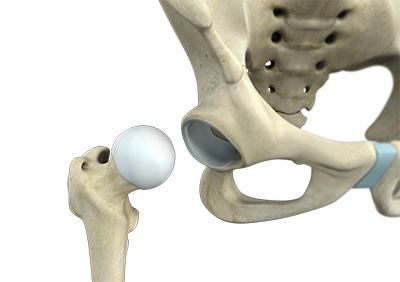
What Is Femoroacetabular Impingement (FAI)?
Femoroacetabular impingement (FAI), also called hip impingement, is a condition in which extra bone on the hip socket (acetabulum), the top of the thigh bone (femoral head), or both causes the bones to rub against each other during movement. This abnormal contact can cause hip pain, damage the labrum, and eventually contribute to osteoarthritis.
There are two main types of femoroacetabular impingement:
- Pincer impingement: Too much bone covers the hip socket (acetabulum).
- Cam impingement: The femoral head is not perfectly round.
- Combined impingement: Both pincer and cam impingement is present.
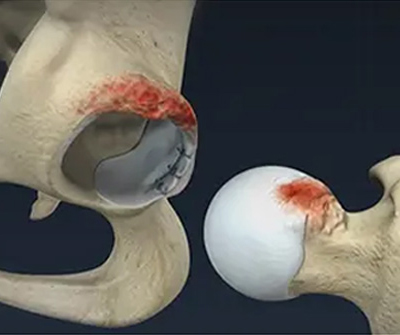
During sports or everyday activities, these bony abnormalities can pinch the labrum, commonly leading to a hip labral tear or wear and tear of the joint.
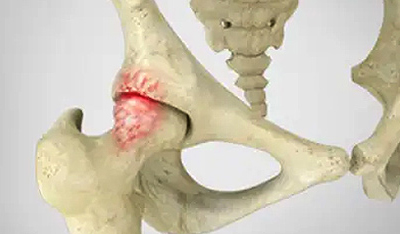
What Are the Symptoms of FAI?
Patients with FAI may or may not experience symptoms. However, if you experience any of the symptoms below, it may indicate that you have FAI:
- Popping of the hip
- Pain around the groin, upper thigh, and side of the hip
- Catching or locking of the hip
- Pain after exercise
- Stiffness or limited range of motion in the hip
If you recognize these symptoms, a hip preservation specialist can help determine whether you have FAI and recommend the appropriate treatment options for your condition.
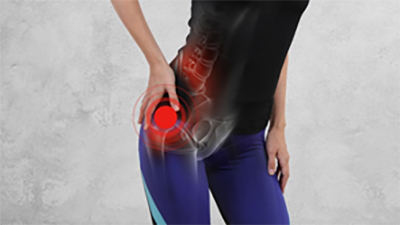
What Causes FAI?
Some people may be more susceptible to FAI due to their lifestyle, natural anatomy, or genetics. FAI can develop from several factors, including:
- Repetitive movements of the hip
- Traumatic injuries, such as automobile accidents or sports injuries
- Muscular imbalances
- Developmental abnormalities
- Heavy labor or frequent physical activity
How Is FAI Diagnosed?
Diagnosing FAI involves a combination of your medical history, physical examination, and diagnostic imaging. Your provider may recommend:
- X-rays: To evaluate structural abnormalities, fractures, and other possible causes of hip pain.
- Magnetic Resonance Imaging (MRI): To evaluate the cartilage and bone within the hip joint. An MR arthrogram (MRA) uses contrast dye to better visualize the hip structures.
- Physical examination: Range of motion, joint stability, and specialized tests such as the flexion/adduction/internal rotation (FADIR) impingement test.
- Medical history: Review of your symptoms, lifestyle, and previous surgeries.
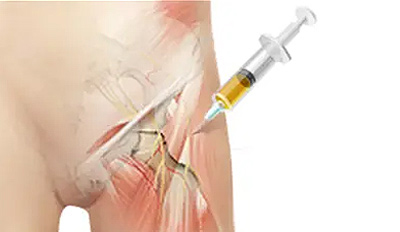
- Diagnostic injection with local anesthetic: In some cases, an injection into the hip joint helps determine whether pain originates from the hip joint or another source, such as the lumbar spine.
How Is FAI Treated?
Treatment depends on the severity of your symptoms and your individual needs. Patients with mild FAI may improve with rest and never require surgery.
Conservative treatment options include:
- Activity modification and rest: Avoiding activities that worsen symptoms.
- Physical therapy: Improving range of motion and strengthening the muscles supporting the hip.
- Medications: Anti-inflammatory medications to reduce pain and inflammation.
- Orthobiologics: Platelet-rich plasma (PRP), bone marrow aspirate concentrate (BMAC), or cortisone injections to help relieve inflammation.
When Is Surgery Needed For FAI?
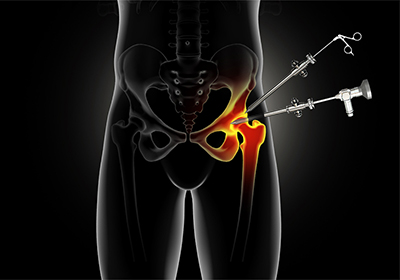
When conservative treatment options fail to provide relief, your doctor may recommend hip arthroscopy. Hip arthroscopy is a minimally invasive procedure that uses small incisions and a camera (arthroscope) to visualize the hip joint.
During surgery, the surgeon may shave the bony overgrowth on the acetabulum (socket) or femoral head (ball) to eliminate the cause of impingement.
In many cases, cartilage damage is also treated during surgery. Depending on the severity of the damage, the surgeon may perform:
- Labral repair
- Labral reconstruction
- Microfracture to stimulate healing of damaged cartilage
The goal of these procedures is to preserve the hip joint.

What Is Recovery Like After Surgery For FAI?
Following surgery, you will receive instructions on caring for your incisions, activities to avoid, and exercises to promote recovery.
Depending on the procedure performed, you may need:
- Crutches
- A hip brace
- Physical therapy over the following months to restore strength and mobility
- Pain medication during the recovery period

Where Can You Learn More About FAI?
Read the blogs below on hip impingement from top orthopedic specialists.
Browse Research on Hip Impingement

Where Can You Find Expert Treatment For FAI?
American Hip Institute specializes in treating femoroacetabular impingement (FAI) with advanced diagnostic techniques and both arthroscopic and non-operative treatment strategies.
AHI serves Chicago and the greater Chicagoland area and is a referral center for complex hip conditions. Our physicians are highly published in hip research and provide individualized care plans for every patient. Request an appointment now.