
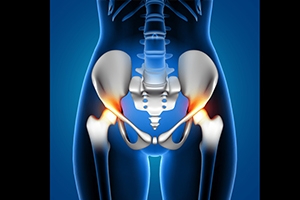
The hip joint is a crucial body part that we often take for granted. When it is affected by a particular orthopedic condition, standing, running and walking become difficult tasks due to the pain.
People of all ages can be affected by hip conditions, which not only cause physical discomfort but also emotional and psychological distress. These afflictions can lead to a loss of freedom of movement and a fear of a future filled with pain and immobility. Therefore, it's essential to seek medical attention if you are experiencing hip pain or discomfort to get the help you need.
Thankfully, there is hope. Advances in orthopedic surgery have led to innovative procedures that can restore hip joint function. One procedure that gained significant attention is the Periacetabular Osteotomy.
What is Periacetabular Osteotomy?
Periacetabular Osteotomy (PAO) is a type of hip surgery that treats structural abnormalities in the hip joint. Unlike other procedures that completely replace the affected area, PAO aims to preserve the patient's hip structure.
The process involves reshaping the pelvic bones, specifically the acetabulum, to provide better coverage of the femoral head (the ball of the joint). This results in enhanced stability, therefore relieving pain, improving joint function and potentially delaying or even eliminating the need for future hip replacement surgery.
Preparing for a Periacetabular Osteotomy Procedure
Medication
Before the PAO surgery, it's essential to give your physician a detailed list of all the medicines you're taking, including prescriptions, herbal remedies and birth control. This is because some drugs may impact the blood's ability to clot, leading to excessive bleeding during the surgery. To avoid this, your doctor may advise you to avoid taking some of your medications two weeks before your appointment to ensure a successful procedure and faster recovery. If there is any uncertainty about taking a particular medicine, consult your doctor for proper guidance.
Hospital Admission
- Review Your Surgical Plan: Before admission, have a detailed discussion with your surgeon to review the surgical plan, expected outcomes and potential risks. Make sure all your questions are answered and you fully understand the procedure.
- Pre-Admission Testing: Your healthcare team will schedule pre-admission testing, which may include blood tests, imaging and other diagnostic assessments to evaluate your overall health and fitness for surgery.
- Arrange Transportation: Ensure you have reliable transportation to the hospital on the day of your surgery. You will not be able to drive yourself, so have a family member or friend accompany you.
- Pack Essentials: Prepare a bag with essential items for your hospital stay. This may include comfortable clothing, toiletries, reading materials, phone chargers and any personal comfort items that will help make your stay more pleasant.
- Medication Management: Continue to follow the medication guidelines provided by your surgeon. This includes avoiding medications that may affect blood clotting and any instructions for managing other medications you are on.
- Fasting Instructions: Your surgical team will provide specific fasting instructions for the night before and morning of your surgery. It's crucial to follow them to ensure your stomach is empty before the procedure.
- Dietary Restrictions: If you have specific dietary restrictions or preferences, communicate these to the hospital staff. They will do their best to accommodate your needs.
- Informed Consent: Before the periacetabular osteotomy, you will be asked to provide informed consent, acknowledging that you understand the procedure and the associated risks. Read through this carefully and ask any questions you may have.
Recovery
After having a PAO surgery, it's essential to maintain a post-operative recovery and rehabilitation plan to guarantee the best possible results and minimize complications. Following the instructions provided by your orthopedic surgeon and medical team is of utmost importance. This may mean limiting weight on the operated hip and using crutches or a walker for support.
In addition to these immediate post-operative precautions, patients are often encouraged to engage in physical therapy as it plays a vital role in improving hip function, strengthening the surrounding muscles and regaining mobility. Maintaining a healthy lifestyle with a balanced diet and adequate hydration is equally important because it aids in the body's healing process.
Possible Complications of Periacetabular Osteotomy
As with any surgical procedure, PAO also carries potential risks. The probability of these is minimal, but it's still important to be aware of them as it allows you to take immediate action as soon as signs of complications manifest. Some of the common issues associated with PAO include:
- Infection: Surgical site infections can occur, leading to redness, swelling and pain at the incision site. Infections are typically treated with antibiotics, but severe cases may require additional prescriptions.
- Blood Clots: Post-operative immobility can increase the risk of blood clots, which can be dangerous if a clot travels to the lungs.
- Nerve Damage: Nerves near the surgical area may be damaged during the procedure, resulting in temporary or, in rare cases, permanent numbness or weakness in the leg.
- Non-Union of Bone: In some cases, the repositioned bone may not heal properly, leading to non-union, where the bones do not fuse as expected. This may require further surgical intervention.
- Heterotopic Ossification: Abnormal bone growth can occur in the soft tissues around the hip joint, restricting mobility and causing discomfort, which may require additional treatment.
It's important to remember that your medical team will take all necessary precautions to minimize the above-mentioned risks. The benefits of PAO still outweigh the potential complications, especially with patients who suffer from severe hip pain. Still, it's crucial to discuss your risk factors and concerns with your physician before undergoing the procedure.
Take the Step Towards a Future Free From Hip Pain with the American Hip Institute
American Hip Institute provides top-notch expertise and advanced facilities to ensure you receive the best possible care during your periacetabular osteotomy procedure. Our specialists are dedicated to your well-being and take pride in providing thorough patient care using advanced surgical techniques that consistently achieve successful outcomes.
To take the next step toward a pain-free future and improved quality of life, reach out to the American Hip Institute today. Schedule a consultation and begin your journey to renewed mobility and vitality.
FAQs
Q1: What is periacetabular osteotomy (PAO) and who is it for?
Periacetabular osteotomy (PAO) is a hip preservation surgery that reshapes the pelvic bones to improve coverage of the femoral head, enhancing joint stability and relieving pain caused by structural hip abnormalities like hip dysplasia. Unlike hip replacement, PAO preserves the patient's natural hip structure and is most appropriate for younger, active patients with a shallow hip socket who want to delay or avoid the need for hip replacement surgery later in life.
Q2: How does periacetabular osteotomy differ from hip replacement surgery?
While hip replacement removes and replaces the damaged joint with an artificial implant, PAO works by repositioning the existing bone to correct the underlying structural abnormality rather than replacing any part of the joint. This joint-preserving approach is particularly valuable for younger patients because it maintains the natural hip anatomy, potentially eliminating or significantly delaying the need for hip replacement while restoring pain-free function and mobility.
Q3: What is the recovery process like after PAO surgery?
Recovery after PAO involves an initial period of limited weight bearing, typically requiring crutches or a walker for support while the repositioned bones heal. Physical therapy plays a central role in rebuilding hip strength, improving range of motion, and restoring mobility throughout the recovery process. Following the surgeon's post-operative instructions closely — including medication management, activity restrictions, and rehabilitation milestones — is essential for minimizing complications and achieving the best possible long-term outcome.
Q4: What are the risks and complications associated with periacetabular osteotomy?
As with any major surgical procedure, PAO carries some potential risks including infection at the surgical site, blood clots from post-operative immobility, temporary or rarely permanent nerve damage, non-union of the repositioned bone, and heterotopic ossification where abnormal bone growth restricts mobility. While the probability of these complications is low, discussing individual risk factors thoroughly with your surgeon before the procedure is an important part of informed decision-making.
Q5: How should I prepare for periacetabular osteotomy surgery?
Preparation for PAO involves reviewing your complete medication list with your physician — as some drugs affecting blood clotting may need to be paused beforehand — completing pre-admission testing, arranging transportation and support for your hospital stay, and following specific fasting and dietary instructions provided by your surgical team. Having a detailed pre-operative discussion with your surgeon to fully understand the procedure, expected outcomes, and potential risks ensures you are well-informed and prepared for a smooth surgical experience and recovery.