
Patient Optimization
What Is Patient Optimization?
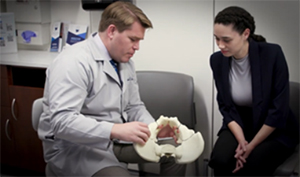
Patient optimization focuses on preparing your body for the best possible outcome before surgery. Rather than rushing into a procedure, we take a comprehensive approach to improve your overall health, reduce risk, and support a smoother recovery.

Why Optimization Matters Before Surgery
Your overall health plays a major role in how well you heal. Factors like nutrition, strength, hormone balance, and existing medical conditions can all impact recovery, complication risk, and long-term results. Optimizing these areas helps ensure you are physically prepared for surgery and rehabilitation.

Key Areas We Focus On
Weight, Diet, and Nutrition
Maintaining a healthy weight and proper nutrition supports healing, reduces inflammation, and improves surgical outcomes. For some patients, medically supervised weight management may be appropriate, including GLP-1 medications when indicated. We may also provide referrals to nutrition specialists for personalized plans that support recovery and performance.

Hormonal Health
Hormones play a key role in muscle strength, bone health, and tissue healing. We consider factors such as:
- Estrogen levels: Important for joint stability and bone density, particularly in women
- Testosterone levels: Supports muscle mass, strength, and recovery in both men and women
When appropriate, we coordinate evaluation and management with specialists to address imbalances before surgery.

Pre-Existing Medical Conditions
Chronic conditions should be well-controlled prior to surgery to reduce complications and improve healing. This includes:
- Diabetes management: Optimizing blood sugar levels to lower infection risk and support tissue healing
- Thyroid disorders and other metabolic conditions
- Inflammatory or autoimmune conditions
We work closely with your primary care physician or specialists to ensure these conditions are stable.

Bone Health
Strong bone quality is essential for joint function and surgical success. We may assess bone density and address deficiencies through nutrition, lifestyle changes, or medical management when needed.
Supplements
Certain supplements may support recovery and overall health. Common recommendations may include:
- Vitamin D: Supports bone health, immune function, and muscle performance
- Creatine: May help preserve muscle strength and aid recovery, particularly during rehabilitation
All supplements are reviewed with your care team to ensure they are safe and appropriate for you.
Movement and Biomechanics (Prehabilitation)
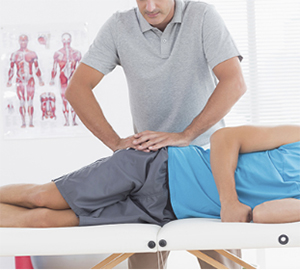
Physical therapy before surgery, often called “prehab”, focuses on improving strength, mobility, and movement patterns. This includes evaluating how you move, correcting imbalances, and strengthening key muscle groups to better support the hip. Prehab can reduce pain, improve function, and lead to better post-surgical outcomes.

Setting You Up for Success
Surgery is just one part of your care. By optimizing your health before, during, and after surgery, we help you recover more efficiently, reduce complications, and return to the activities you enjoy with greater confidence.

Guided by a Dedicated Care Team
At AHI, we serve patients from Chicago, the greater Chicagoland area, and those who travel to us from across the country for specialized care. Patient optimization is led by a dedicated team that includes both a physician and an orthopedic hip surgeon working together to guide you through every step of the process. Under the leadership of Dr. Megan Flynn, this collaborative approach ensures that medical factors are addressed alongside your orthopedic needs. From initial evaluation through surgical readiness, our team provides coordinated, personalized care designed to optimize your health, improve outcomes, and support a safe, efficient recovery.