
ACL Tear
What is ACL Tear?
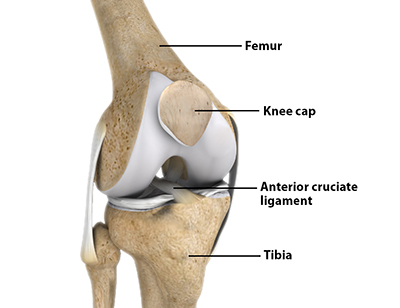
The knee is a joint that is made of multiple bones and ligaments. The bones that form the knee joint include the femur (thigh bone), tibia (shin bone), fibula (calf bone), and patella (kneecap).
Ligaments are structures in your body that connect bones to other bones. In the knee, there are four major ligaments that connect the femur, tibia, and fibula, specifically the anterior cruciate ligament (ACL), medial collateral ligament (MCL), lateral collateral ligament (LCL), and posterior cruciate ligament (PCL). The ACL and LCL cross one another in the inside of your knee, while your MCL and LCL are ligaments that are found on the outside of your knee.
The ACL is a very important ligament in keeping your knee stable by specifically preventing the shin bone from moving too far forward from your thigh bone. It is also important in controlling your knee from rotating too far in either direction. This ligament is prone to injury and is capable of being torn.

Causes
There are certain non-contact movements that make you more likely to tear your ACL:
- Sudden change in direction
- Slowing down while running
- Landing awkwardly from a jump
Additionally, trauma to your knee, like getting tackled in football or rugby, can also be a cause for tearing your ACL.
Symptoms
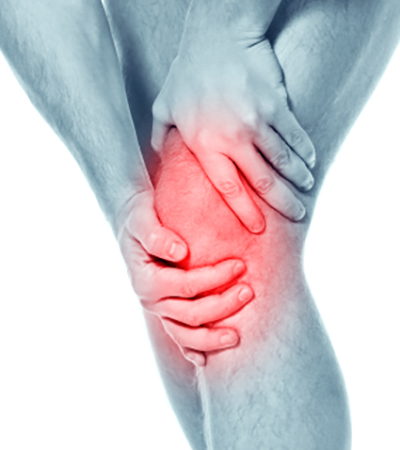
Symptoms of an ACL tear include hearing an audible pop during the time of injury, knee instability, swelling, and significant pain.
Diagnosis
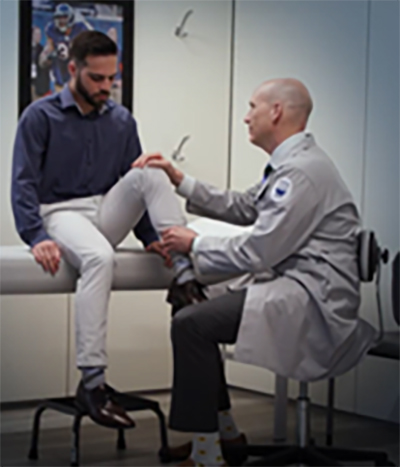
Diagnosing an ACL tear can involve a combination of a medical history review, assessment of symptoms, physical examination, and imaging tests. Your orthopedic surgeon may utilize any of the following tests to diagnose your condition:
- Imaging: Your provider might order an MRI to determine if your ACL is torn or other damage to your joint. MRIs allow your providers to see the soft tissue and can help them get an accurate diagnosis. Your provider might also obtain an x-ray of your knee, to check to see if there is any additional injury to the bones of your knee.
- Physical Examination: Various physical examination maneuvers can test range of motion, joint stability, and pain with specific tests to assess the knee joint.
- Medical History: Your provider should inquire about your medical history, including previous injuries and surgeries, in conjunction with your current symptoms.

Non-Surgical Treatment Options
Treatments for ACL tears vary depending on the severity, the patient's symptoms, and the needs and goals of the patient. Your orthopedic surgeon may recommend the following non-surgical treatment options:
- Activity Modification and Rest: Doctors may recommend avoiding certain activities and resting to help reduce symptoms and pain.
- Physical Therapy: Physical therapy can help improve your range of motion and strengthen the muscles supporting your knee.
- Medications: Anti-inflammatory medications, like Advil or Motrin, can help reduce any pain and inflammation.
In cases where conservative treatments fail or if the patient wants to return to sport and activities, there are surgical options available to treat an ACL tear.

Surgical Options
ACL tears in active patients oftentimes benefit from surgical correction. Surgical options for ACL tears commonly include ACL reconstruction, and, in select cases, the possibility of ACL repair. In this surgery, your orthopedic surgeon removes your damaged ACL and replaces it with a sturdy graft. The goal of this surgery is to restore the stability of your knee and get you back to participating in your desired activities.
Resources & References
https://orthoinfo.aaos.org/en/diseases--conditions/anterior-cruciate-ligament-acl-injuries/