
Hip Pain
What Is Hip Pain?
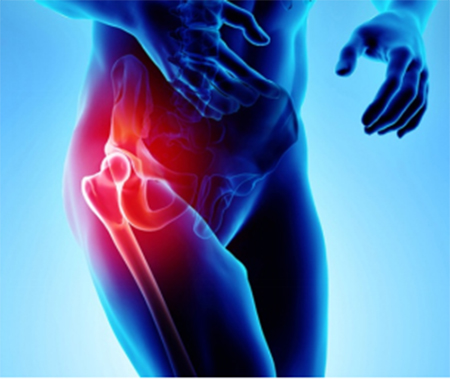
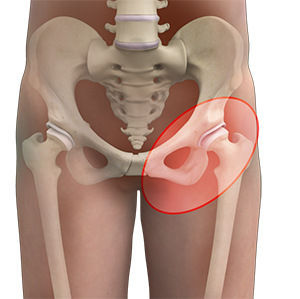
The hip is a highly complex joint where bones, cartilage, labrum, muscles, tendons, and surrounding nerves all work together to allow smooth, stable movement. Because so many structures contribute to hip function, pain in this area can originate from multiple sources, making hip conditions difficult to diagnose. See below where hip pain can show up around the joint and what conditions may be present. Note that seeing a hip specialist is essential in determining the true source of pain and guiding appropriate treatment. The information provided is for educational and informational purposes only and does not constitute medical advice, diagnosis, or treatment.
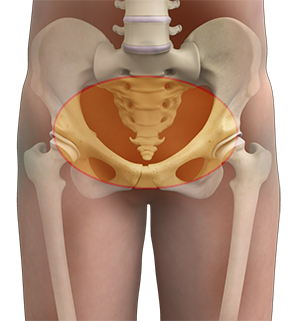
Abdominal/groin
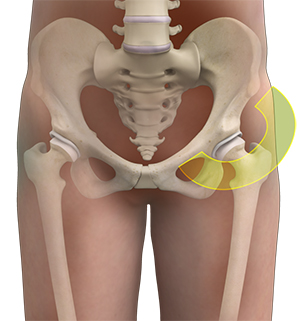
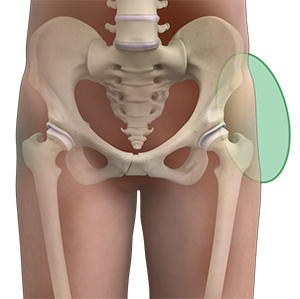
Lateral
- Tendon injury around the outside of the hip
- Gluteus Medius Tear
- IT Band Syndrome
- Greater Trochanteric Pain Syndrome
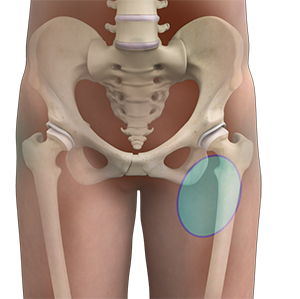
Radiating pain down leg
- The injury may be in the hip, but can be felt radiating down the leg, even down to the knee.
- Labral or Cartilage Injury
- FAI
- Hip Alignment Disorders
- Hip Instability
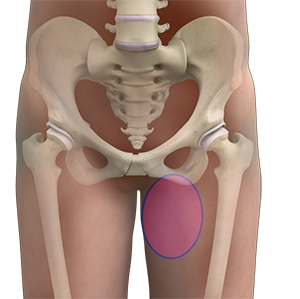
Inner thigh pain
- Adductor strain.

Get the Right Diagnosis
An accurate diagnosis ensures that care is targeted, appropriate, and effective: whether the issue is related to bone alignment, cartilage, soft tissue, or referred pain from another area. This allows for a more precise treatment plan and improves the likelihood of restoring function and returning to normal activity.

Consult the Experts
At the American Hip Institute, patients are seen by a team specializing in the full spectrum of hip conditions and treatments. We serve patients from Chicago, the greater Chicagoland area, and across the country who travel to us for specialized hip care. We evaluate and treat all conditions of the hip using a thorough, step-by-step approach to identify the true source of pain and dysfunction. Using advanced diagnostic tools and extensive experience in hip preservation and reconstruction, we develop personalized treatment plans tailored to each patient’s goals and lifestyle. The focus is not only on making an accurate diagnosis, but on delivering care that relieves pain, restores function, and helps patients return to an active, healthy life.