
Ehlers Danlos Syndrome
What is Ehlers Danlos Syndrome?
Ehlers-Danlos Syndrome (EDS) is a genetic condition that causes increased flexibility in the joints due to overly elastic connective tissues. This hyperflexibility can lead to joint instability, pain, and a higher risk of dislocations and injuries. Because connective tissue is found throughout the body, EDS can also affect other organ systems, leading to complications beyond the musculoskeletal system, such as skin fragility, gastrointestinal issues, or cardiovascular concerns.
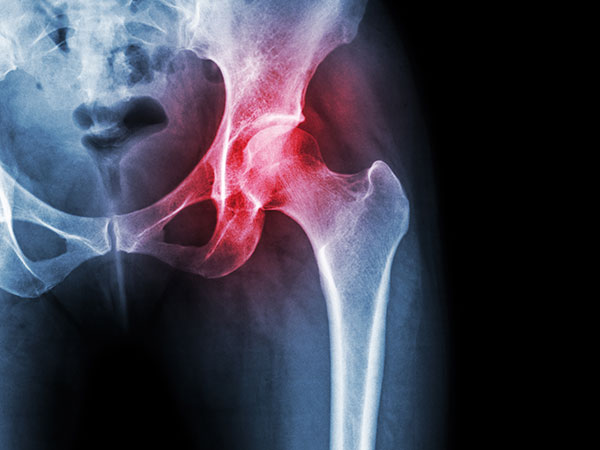
People with EDS often experience hip pain due to joint instability and hypermobility. The soft tissues around the hip joint, such as ligaments, tendons, and cartilage may not provide enough support, leading to frequent dislocations, labral tears, or early joint degeneration. This can cause chronic discomfort, limited mobility, and difficulty with daily activities.
Understanding the Anatomy of the Hip Joint
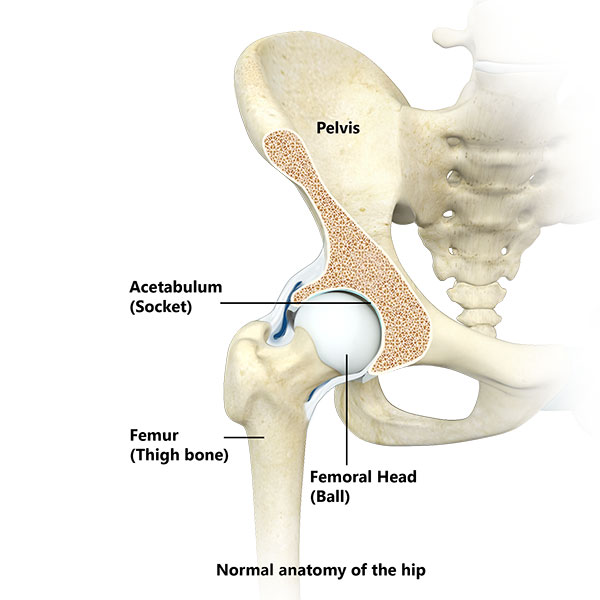
To better understand how Ehlers-Danlos Syndrome can affect the hip, it helps to first understand how the hip joint works. The hip is a ball-and-socket joint, where the femoral head (the ball) fits into the acetabulum (the socket). Strong ligaments and cartilage normally hold the joint stable and allow smooth, pain-free movement.
In people with EDS, the connective tissues that support the joint are more elastic and fragile than normal, which can lead to joint instability, excessive motion, and eventually pain, injury, or early joint degeneration.
Diagnosis
Diagnosing hip conditions related to EDS involves a thorough evaluation that includes reviewing your medical history, assessing your current symptoms, and performing a detailed physical examination. During the exam, specific tests may be used to evaluate range of motion, joint stability, muscle strength, and areas of tenderness or discomfort.
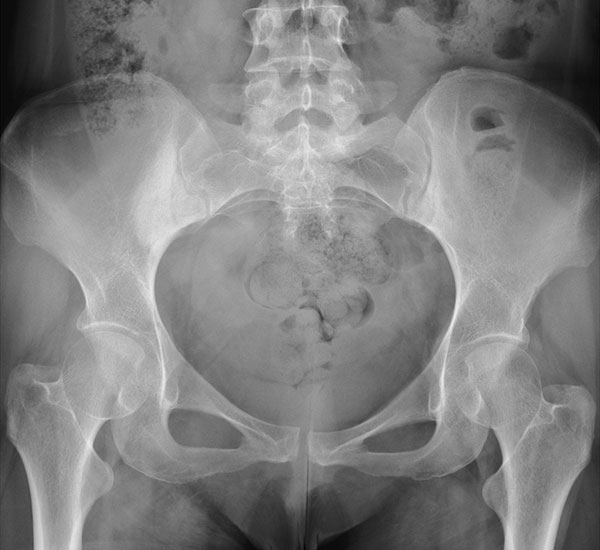
Imaging studies often play a key role in diagnosis. X-rays can help identify structural abnormalities or rule out fractures, while MRI or MR arthrogram can provide detailed images of soft tissues such as cartilage, tendons, and the labrum.
Treatment Options for EDS-Related Hip Conditions
Treatment for EDS related hip pain depends on the severity of symptoms and each patient's individual needs. In many cases, non-surgical treatments such as physical therapy focused on joint stability, activity modification, bracing, and anti-inflammatory medications can help manage pain and improve function.
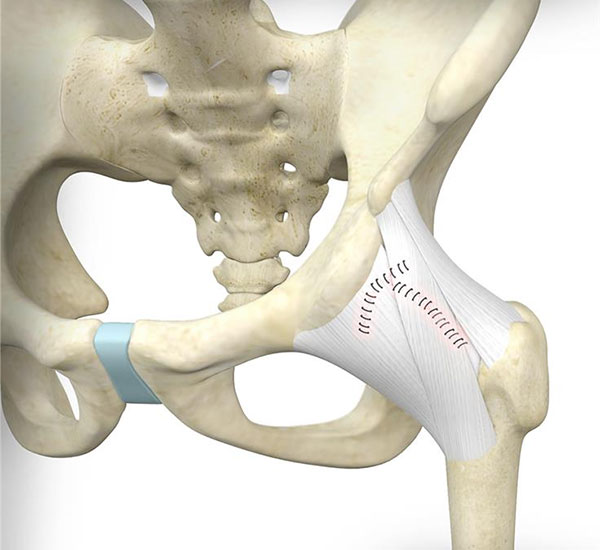
If conservative treatments do not provide enough relief, and both the patient and physician determine that surgery is appropriate, several procedures may help address hip instability caused by EDS. These surgeries aim to improve joint stability and reduce pain by correcting overly elastic or damaged soft tissues. Options may include capsular repair, reconstruction, or plication to tighten or reinforce the joint capsule; ligamentum teres reconstruction to restore a key stabilizing ligament inside the hip; and labral reconstruction to repair or replace the cartilage ring that helps maintain the hip's suction seal. These procedures are often performed through minimally invasive hip arthroscopy and are tailored to each patient's unique anatomy and needs.

What is the American Hip Institute?
The American Hip Institute is the #1 clinic in the United States for advanced hip treatment, offering the best outcomes and patient experience in the world.
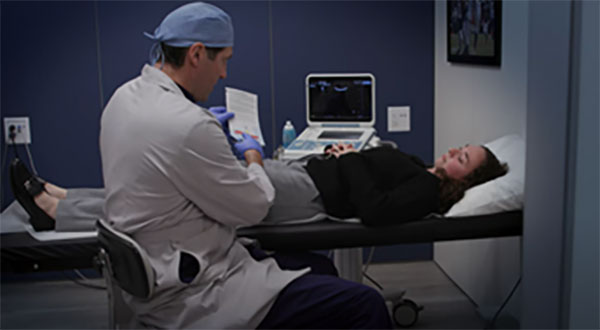
EDS Treatment at the American Hip Institute
The American Hip Institute is at the forefront of treating hip conditions related to EDS, offering advanced and personalized care to improve joint stability and reduce pain. Our expert surgeons, including Dr. Benjamin Domb, Dr. Etan Sugarman, and Dr. Benjamin Kuhns are among the few nationwide who specialize in minimally invasive procedures such as arthroscopic capsular plication, ligamentum teres reconstruction, and labral reconstruction, each tailored to address the unique challenges of joint hypermobility in EDS. With a research-driven approach and a deep understanding of this complex condition, AHI is committed to preserving the natural hip joint and helping patients with EDS regain function and quality of life.

American Hip Institute by The Numbers
- 1stIn the nation to perform outpatient robotic hip surgery
- 10000+Hip surgeries performed by AHI surgeons
- 550+Research articles published by the team, driving innovation in hip treatment
-
Jade O. shares her patient journey after playing collegiate basketball to pursue a career in medicine
Forced to the sidelines, I lost my autonomy, mobility, and part of my identity. I no longer could play the sport that I loved. After months of searching for a diagnosis, we were able to figure out that it was actually a hip problem thanks to the research and expertise of the team at the American Hip Institute.

-
3-time All-American Wrestler from Arizona State returns to the mat pain-free following hip arthroscopy and removal of loose bodies
I saw a few different doctors and the team at AHI made me feel like this was where I needed to go and have it done. After the surgery, I haven't felt any locking up, I am able to do a lot of these motions and not feel the same type of pain.
-
Realtor Sees Quick Relief After Hip Arthroscopy
I am very very happy to say that the doctors and the staff at AHI have just solved my problems and I am so happy to refer them!


Meet Our Team!
The American Hip Institute is the first medical center in the nation dedicated exclusively to the treatment of hip conditions, with specialized expertise in caring for patients with Ehlers-Danlos Syndrome-related hip conditions. Our team understands the unique challenges that come with EDS, including joint instability, soft tissue laxity, and chronic pain. We offer a wide range of personalized, minimally invasive, and joint-preserving treatments designed to support stability, relieve pain, and help patients safely return to the activities they enjoy. With a research-driven approach and compassionate care, AHI is a trusted leader in treating hip conditions in patients with EDS-related hip conditions.


