
Knee Arthritis
What is Knee Arthritis?
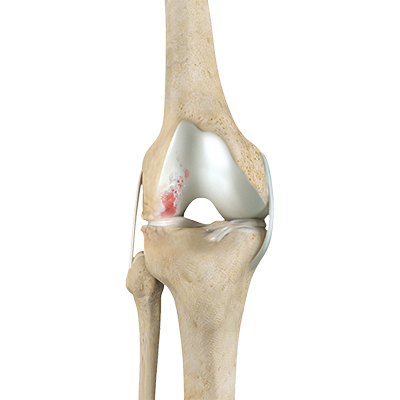
Osteoarthritis is one of the most common conditions that affects the knee joint. It occurs when there is wear-and-tear of a joint, causing damage to cartilage. Cartilage is a tissue that is found throughout your body and is especially important in your joints. It allows the bones in the joint to move smoothly and provides support for the joint.
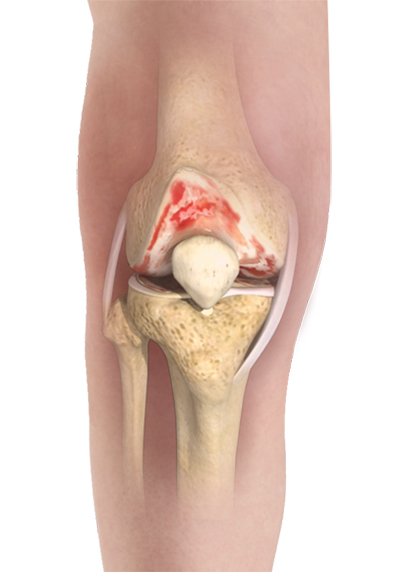
The more damage to the cartilage, the more likely the patient will experience arthritis in their joint. In severe cases of arthritis, the cartilage is completely worn away and the bones of the knee joint will come into contact with one another. This bone-on-bone contact causes significant inflammation and pain in the knee joint.
Causes of Knee Arthritis
There are likely multiple causes of osteoarthritis, including genetics, wear-and-tear, trauma, and obesity among others. Severe damage to the cartilage in the knee causes bone-on-bone contact, leading to further inflammation, pain, and decreased function of the joint.

Symptoms
Symptoms of arthritis include significant pain that interferes with daily activity, stiffness, swelling, and redness in the knee usually during or after activity.
Diagnosis
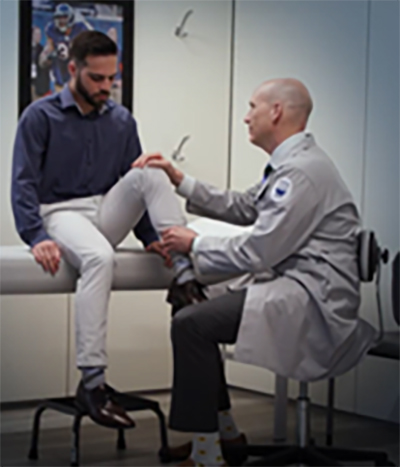
Diagnosing knee arthritis can involve a combination of a medical history review, assessment of symptoms, physical examination, and imaging tests. Our providers at the American Hip Institute may utilize any of the following tests to diagnose your condition:
- X-Rays: Providers can rule out other possible underlying conditions that may contribute to the pain you're experiencing. Using X-rays, they can check for structural abnormalities and signs of arthritis.
- Physical Examination: Various physical examination maneuvers can test range of motion, joint stability, and pain with specific tests to assess the knee joint.
- Medical History: Our certified medical practitioners will also inquire about your medical history, including previous injuries and surgeries, in conjunction with your current symptoms.

Non-Surgical Treatment Options
Treatments for knee arthritis vary depending on the severity of arthritis, the patient's symptoms, and individual needs and preferences. Patients with minor arthritis may recover within a few weeks with rest and the help of non-surgical treatments.
Here are some of the conservative treatment options available to you at the American Hip Institute:
- Activity Modification and Rest: Doctors may recommend avoiding certain activities and opting for rest to help reduce symptoms.
- Physical Therapy: Physical therapy can help improve your range of motion and strengthen the muscles supporting your knee joint.
- Medications: Anti-inflammatory medications can help reduce the pain and inflammation associated with the tendinitis.
In the case where conservative treatments fail, some patients might need surgery to correct the arthritis and to regain function.
Injection Therapy
While injections cannot reverse or cure arthritis, they can provide significant pain relief which can help patients function longer and more comfortably. These can include cortisone, hyaluronic acid, platelet-rich plasma, and other orthobiologics.
Surgical Options
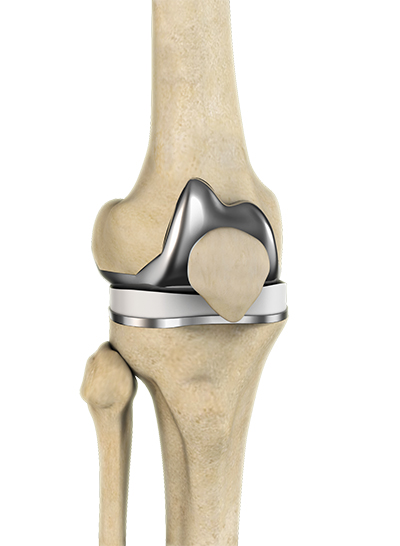
Depending on the severity and location of osteoarthritis in the knee joint, a person with this condition is eligible for partial or total knee replacements. Both of these procedures include removing the arthritis from the joint and replacing it with an artificial joint.
Resources & References
https://www.mayoclinic.org/diseases-conditions/arthritis/symptoms-causes/syc-20350772