
Cartilage Damage
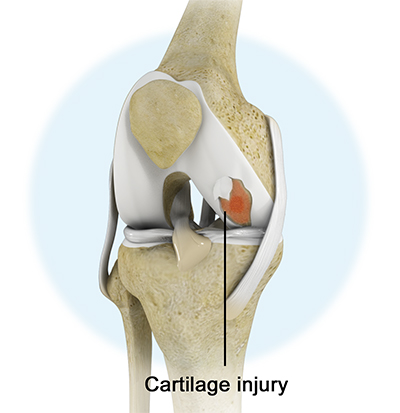
What is Knee Cartilage Damage?
The bones that make up the knee joint include the femur (thigh bone), tibia (shin bone), and fibula (calf bone), which are connected to one another by ligaments. On the end of the femur and the tibia is a tissue called articular cartilage, which allows the bones to glide smoothly during movement. This cartilage may get damaged over time and may impact the ability of the joint to move without friction.
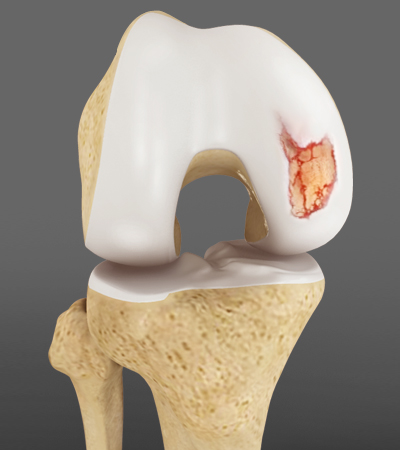
Causes
There are a few different ways the articular cartilage on your femur and tibia might get damaged. For one, osteoarthritis, or inflammation of the bones, might cause degeneration of articular cartilage leading to bone-on-bone contact. Other possible causes for this cartilage damage is osteonecrosis (bone death) or osteochondritis dissecans (bone and cartilage from your knee bones comes off).
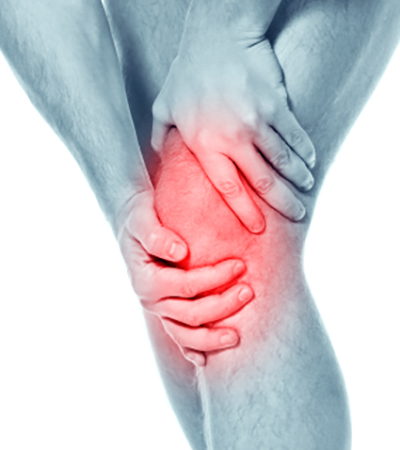
Symptoms
Symptoms of cartilage damage of the knee include swelling, pain, and locking of the joint. The locking sensation is often seen in patients that have a loose piece of bone present within the joint.
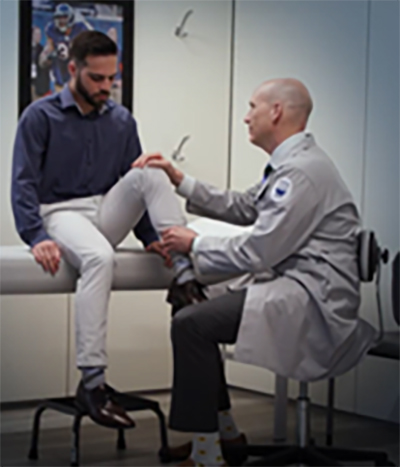
Diagnosis
Diagnosis of knee cartilage damage often involves a comprehensive evaluation of the patient’s presentation and symptoms:
- Radiographic imaging (X-ray): An x-ray can help our providers visualize the bones of your knee to see if there is any presence of osteoarthritis, trauma, or fracture.
- Magnetic resonance imaging (MRI): Your orthopedic surgeon may order an MRI for you to allow them to see any soft tissue damage in your knee, including damage to your articular cartilage.
- Medical history: Your orthopedic surgeon should take a detailed history of your pain, the injury itself, and any other previous conditions or surgeries.
- Physical exam: Your orthopedic provider might test your range of motion, your stability, and assess other physical findings.
Treatment Options
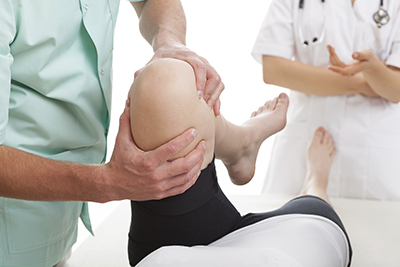
There are various non-surgical options available to a person with cartilage damage in their knee. For instance, your orthopedic provider might recommend the following treatments:
- Rest: Your orthopedic surgeon might recommend you to rest the affected joint and to avoid activities that aggravate your symptoms.
- Icing: Icing the affected area can reduce inflammation and pain.
- Non-steroidal anti-inflammatory drugs (NSAIDs) NSAIDs, including over-the-counter medication like Advil or Ibuprofen , can help reduce inflammation and pain.
- Physical Therapy: Physical therapy can help to strength the muscles around the knee and improve your range of motion.
Surgical Options
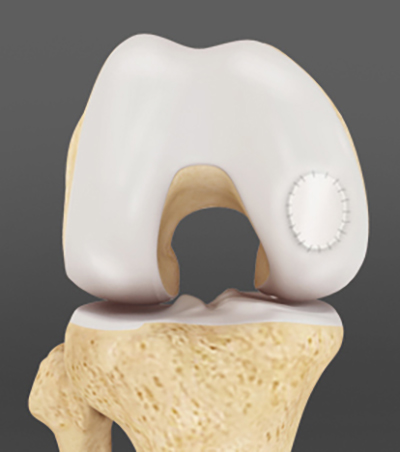
Significant advancements in the treatment of cartilage lesions have occurred over recent years. If surgical treatment is necessary, your provider will guide you through the best options based on your unique preferences, history, and clinical presentation. These can include cartilage restoration and reconstruction procedures as well as alignment correcting surgeries, meniscal transplantation and ligament reconstruction.
Resources & References
https://sportsmedicine.mayoclinic.org/condition/cartilage-lesions/