
Patellar Tendinitis
What Conditions Can Affect Your Patella?
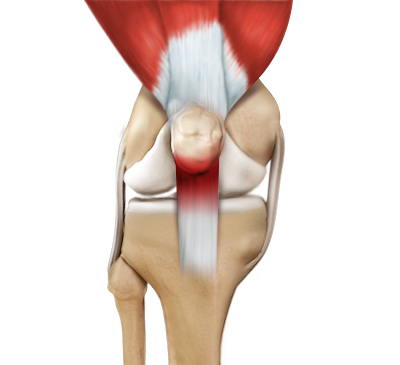
- Patellar Tendinitis: A ligament is a structure that connects bones to one another to allow for movement. The patellar tendon, also known as the patellar ligament, connects the patella (kneecap) with the tibia (shine bone). The patellar tendon is important in the extension of your knee. The patellar tendon can become inflamed and irritated.
- Symptoms: The most common symptom that a person will experience if they have patellar tendinitis is pain in their knee and around their kneecap, especially when performing leg extension-related movements.

- Patellofemoral Syndrome: Patellofemoral syndrome is a term used to describe when a person experiences pain in front of the knee and around the kneecap. It is considered to be an overuse injury and is commonly seen in athletes in sports that consist of consistent running or jumping motions.
- Symptoms: Patellofemoral syndrome is associated with a dull, aching pain localized to the front of the knee. The pain often worsens with specific activities, such as running, walking up or down stairs, squatting, and sitting for long periods of time.
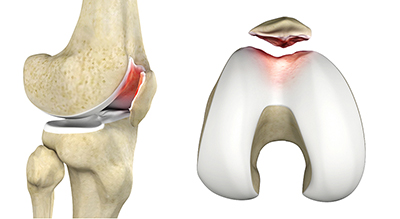
- Chondromalacia patella: Chondromalacia patella occurs when the cartilage on the underside of the patella softens, tears, or erodes as a result of traumatic injuries or repetitive motions. This cartilage is important, because it allows your patella to smoothly glide over the femoral groove in the knee.
- Symptoms: The structural degradation of cartilage can lead to pain and inflammation, especially increasing during running, squatting or walking up the stairs.
Diagnosis of Patellar Conditions
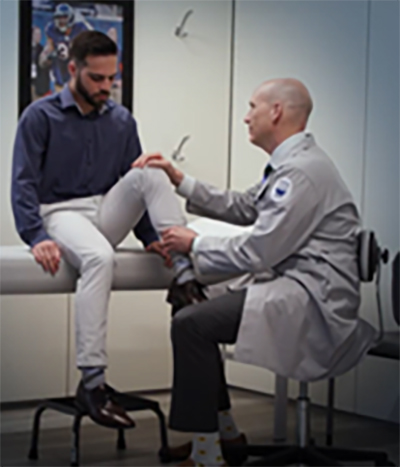
Diagnosing patellar conditions can involve a combination of a medical history review, assessment of symptoms, physical examination, and imaging tests. Our providers at the American Hip Institute may utilize any of the following tests to diagnose your condition:
- X-Rays: Providers can rule out other possible underlying conditions that may contribute to the pain you're experiencing. Using X-rays, they can check for structural abnormalities of the knee joint.
- Magnetic Resonance Imaging (MRI): This imaging test can be used to evaluate the condition of patella and other soft-tissue structures around it.
- Physical Examination: Various physical examination maneuvers can test range of motion, joint stability, and pain with specific tests to assess the knee.
- Medical History: Our certified medical practitioners will also inquire about your medical history, including previous injuries and surgeries, in conjunction with your current symptoms.
- Diagnostic Injection with Local Anesthetic: In some cases, a diagnostic injection using a local anesthetic may be administered into the joint space to determine whether a patient’s pain is stemming from damage to structures within the knee or from elsewhere.
Treatment Options
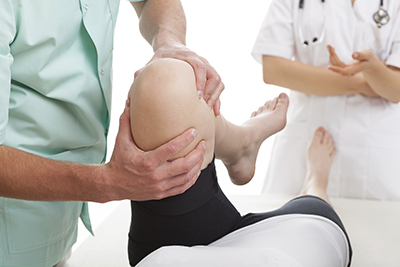
Conservative measures may be recommended by your provider to treat any pain or injury that may be coming from your knee, including:
- Activity Modification and Rest: Doctors may recommend avoiding certain activities and opting for rest to help reduce symptoms.
- Physical Therapy: Physical therapy can help improve your range of motion and strengthen the muscles supporting your knee joint.
- Medications: Anti-inflammatory medications can help reduce the pain and inflammation associated with the tendinitis.