
Shoulder Replacement
What is Shoulder Replacement?
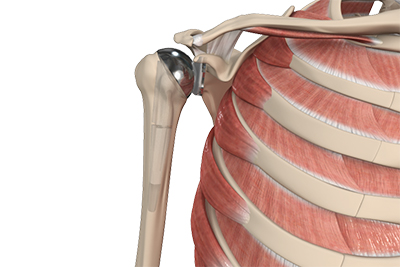
The shoulder is a ball and socket joint in your arm. It is the same type of joint as your hip. The head of the humerus (upper arm bone) and a part of the scapula (shoulder blade) called the glenoid come together to form the glenohumeral joint (shoulder). Between the humerus and the glenoid is a piece of cartilage called the labrum. The labrum allows for the bones of the joint to glide across one another without friction and also provides stability to the joint. The glenohumeral joint might need to be replaced if it is causing significant pain or loss of function that is interfering with a person's daily life.
Indications for Shoulder Replacement Surgery
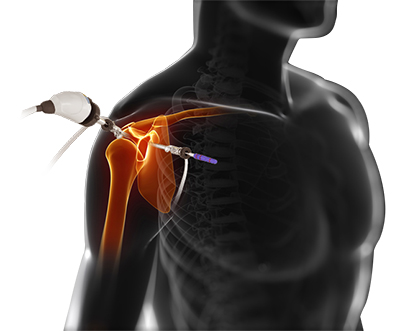
A shoulder replacement might be appropriate for a few different conditions. For one, a person with osteoarthritis in their shoulder joint might be an appropriate candidate for shoulder replacement surgery. Inflammatory arthritis, which can be caused by conditions like rheumatoid arthritis or lupus, might also be a contributing factor to the degeneration the shoulder. Significant trauma to the shoulder might also necessitate a shoulder replacement surgery.
Description of Shoulder Replacement Surgery
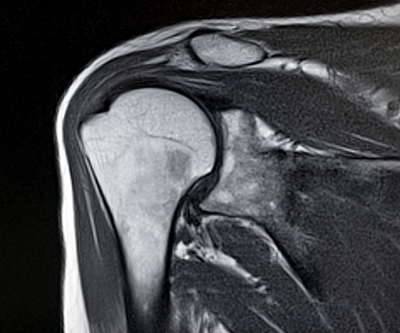
There are a few types of shoulder replacement surgeries that your orthopedic surgeon may perform depending on your comprehensive evaluation:
- Total shoulder replacement (anatomic shoulder replacement): In this surgery, your orthopedic surgeon will remove the humeral head and replace it with a humeral head implant. Additionally, they smooth out the glenoid and then put a cup in the socket. The implants fit together to form a new ball and socket joint.
- Reverse total shoulder replacement: This surgery is similar to the total shoulder replacement, where your orthopedic surgeon will remove the damaged humeral head and glenoid socket and replace it with artificial implants. However, the location where the implants are placed is different in this surgery than the total shoulder replacement. This can help significantly in patients that have rotator cuff problems, inflammatory arthritis, as well as for older patients.
- Partial shoulder replacement (hemi-arthroplasty): Your orthopedic surgeon might determine to only replace the humeral head of the shoulder, which is called a partial shoulder replacement. The socket of the joint is not replaced in this surgery.