
Derotational Osteotomies
Derotational Osteotomies of the Hip
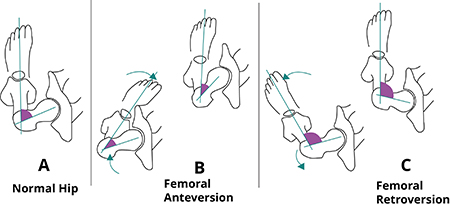
Derotational osteotomies of the hip are advanced surgical procedures used to correct abnormal bone alignment that affects hip function. These procedures are designed to restore proper biomechanics by repositioning the femur (thigh bone) and/or the acetabulum (hip socket), allowing the joint to move more efficiently and reducing pain.
Understanding the Anatomy of the Hip Joint
The hip is a ball-and-socket joint consisting of:
- The femoral head (ball)
- The acetabulum (socket)
Proper alignment between these structures is essential for smooth motion, joint stability, and even distribution of forces.
When rotational abnormalities are present, they can:
- Increase stress on the labrum and cartilage
- Lead to hip impingement (FAI)
- Cause instability or abnormal gait (walking) patterns
- Accelerate joint degeneration over time

Indications
These procedures are typically recommended when symptoms are caused by structural misalignment that cannot be corrected with non-surgical treatment. Careful patient selection by orthopedic specialists is critical to achieving optimal outcomes.
Common indications include:
- Femoral anteversion or retroversion abnormalities
- In-toeing or out-toeing gait
- Hip, knee, or ankle pain related to alignment
- Patellofemoral instability
- Hip impingement associated with rotational deformity
- Persistent symptoms despite conservative treatment
- Structural abnormalities contributing to labral or cartilage damage
Procedure for Derotational Osteotomies
While techniques vary depending on the specific condition, the general steps include:
- Administration of general or regional anesthesia
- Surgical exposure of the femur or pelvis
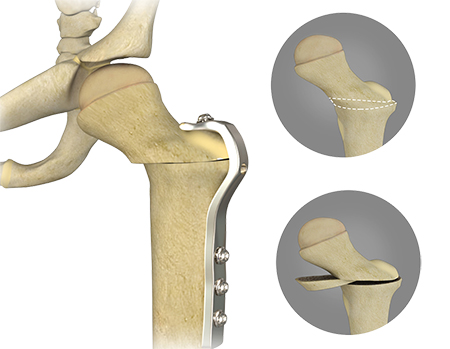
- Controlled cutting (osteotomy) of the bone
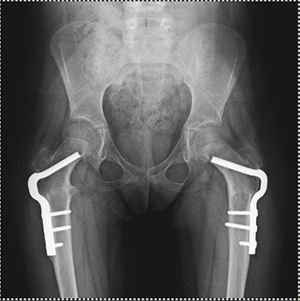
- Rotation and repositioning to achieve proper alignment
- Stabilization using plates and screws
In many cases, hip arthroscopy is performed in conjunction with osteotomy to address intra-articular pathology such as labral tears or cartilage damage, helping to restore joint function and improve outcomes.

Post-Operative Care and Recovery
Recovery following derotational osteotomy is structured and closely monitored.
Patients can expect:
- Pain management with prescribed medications
- Limited weight-bearing with crutches initially
- Gradual progression of activity over time
- Physical therapy to restore strength and mobility
Most patients return to daily activities within several weeks, while full recovery and return to sports may take several months.

Work With Leading Hip Preservation Specialists
Derotational osteotomies are highly specialized procedures that require precise planning and surgical expertise. At the American Hip Institute, we serve patients from Chicago, the greater Chicagoland area, and those who travel to us from across the country for specialized care. Our surgeons are fellowship trained and board certified with years of experience treating hip alignment disorders. Under the leadership of orthopedic surgeon Dr. Etan Sugarman, Director of Joint Preservation, we provide individualized care focused on restoring your joint and returning patients to their lifestyles.