
Athletic Pubalgia (Sports Hernia)
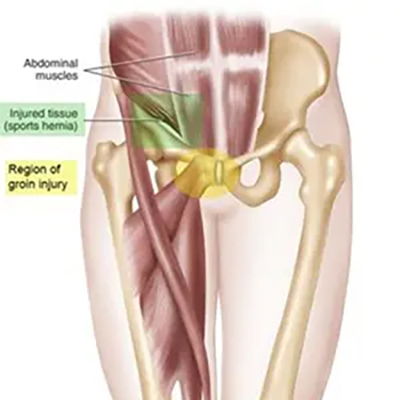
What is Athletic Pubalgia?
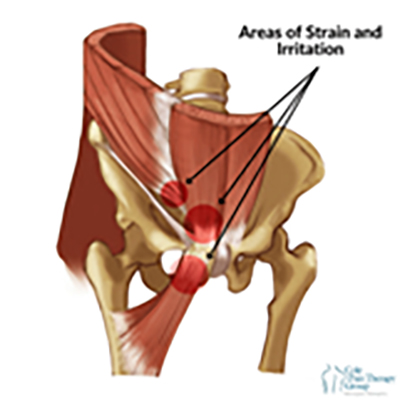
Athletic pubalgia, also known as sports-hernia and Gilmore’s groin, is a condition characterized by chronic pain due to damage or strain to the soft tissues in the groin and pelvic region. This condition is mostly observed in athletes undergoing vigorous movements where there is twisting or a sudden change in direction. Although this condition is not a true hernia, it can lead to one.
What Causes Athletic Pubalgia?
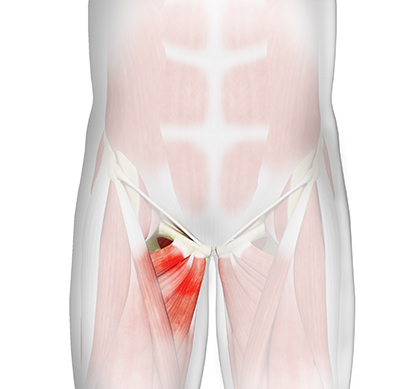
Athletic pubalgia is most commonly caused by repetitive twisting, cutting, pivoting, and explosive movements that place excessive stress on the muscles, tendons, and soft tissues of the lower abdomen and groin. These motions are frequently seen in sports such as hockey, soccer, football, tennis, and skiing.
The condition often develops gradually over time as repetitive strain weakens the supporting structures of the groin and lower abdominal wall. In some cases, a sudden forceful movement can result in injury.
Men may be at a higher risk for athletic pubalgia due to anatomical differences in pelvic structure that can place greater stress on the groin region during athletic activity.
Other Causes of Groin Pain
- Nerve compression
- Genitourinary conditions
- Previous injury
- Rectus adductor syndrome
Because groin pain can result from a variety of conditions, your symptoms may also be related to:

What Are the Symptoms of Athletic Pubalgia?
Symptoms of athletic pubalgia can vary from person to person and may develop gradually or occur following a specific injury. Common symptoms include:
- Pain in the groin or lower abdomen, often on one side, during physical activity
- Chronic groin pain that may interfere with sports participation or exercise
- Sharp pain at the time of injury that later subsides but returns with certain movements or activities
- Tenderness in the groin, upper thigh, or lower abdominal region
- Bruising around the injured area
- Groin stiffness or reduced flexibility
- Muscle weakness that may contribute to the development of a true hernia
Symptoms are often aggravated by activities that involve twisting, sprinting, cutting, kicking, or sudden changes in direction. Because many hip and groin conditions can cause similar symptoms, an evaluation by a hip and sports medicine specialist can help determine the underlying cause of your pain and guide appropriate treatment.
How Is Athletic Pubalgia Diagnosed?
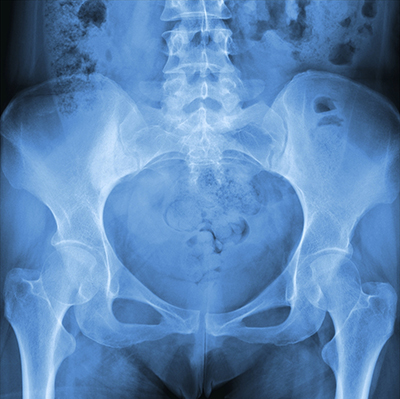
Because groin pain can have many possible causes, diagnosing athletic pubalgia requires a thorough evaluation. Your physician will review your symptoms, medical history, activity level, and any previous injuries before performing a physical examination to assess the groin, abdomen, pelvis, and hip.
Diagnostic tests that may be used to confirm athletic pubalgia or rule out other conditions include:
- MRI Scan: An MRI uses a magnetic field and radio waves to create detailed images of muscles, tendons, ligaments, and other soft tissues. It is often the most useful imaging study for identifying injuries associated with athletic pubalgia.
- CT Scan: A CT scan combines multiple X-ray images to create detailed cross-sectional views of the pelvis and groin, helping evaluate the surrounding anatomy.
- X-Rays: X-rays are commonly used to evaluate the bones of the pelvis and hip and can help identify fractures, structural abnormalities, or other causes of groin pain.
- Ultrasound: Ultrasound imaging can assess soft tissues in the groin region and help rule out conditions such as an inguinal hernia.
- Bone Scan: In certain cases, a bone scan may be used to detect stress injuries, fractures, or other abnormalities affecting the bones.
Can Athletic Pubalgia Treated Without Surgery?
Yes. Many patients with athletic pubalgia improve with conservative treatment. The goal of conservative treatment is to relieve symptoms, restore strength, and help patients safely return to their desired activities. Many individuals experience significant improvement with a comprehensive rehabilitation program and do not require surgery. Common conservative treatment options include:
- Anti-inflammatory Medications: Nonsteroidal anti-inflammatory drugs (NSAIDs) may be recommended to help reduce pain and inflammation.
- Rest and Activity Modification: Avoiding sports and other strenuous activities for several weeks can allow the injured tissues time to heal and help prevent further irritation.
- Ice Therapy: Applying ice to the affected area may help decrease pain and swelling, particularly during the early stages of recovery.
- Injections: In some cases, corticosteroid injections or platelet-rich plasma (PRP) injections may be recommended to help manage symptoms and support the healing process.
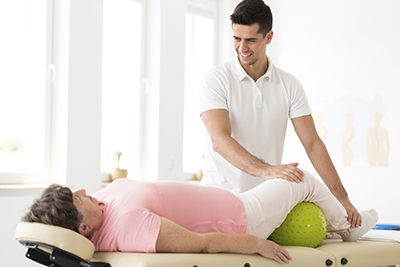
- Physical Therapy: Once pain has improved, a structured physical therapy program can help strengthen the groin, core, and abdominal muscles while improving flexibility, stability, and overall function.
When Is Surgery Recommended for Athletic Pubalgia?
Surgery may be recommended when conservative treatments fail to provide adequate relief or when there is significant injury to the muscles, tendons, or other soft tissues of the groin and lower abdominal region. The goal of surgery is to repair damaged tissues, restore stability, and allow patients to return to their desired level of activity.
Surgical treatment options may include:
- Open Surgery: This traditional approach involves a larger incision that provides direct access to the injured tissues, allowing the surgeon to perform the necessary repairs.
- Laparoscopic Surgery: A minimally invasive technique that uses a small camera, called a laparoscope, and specialized instruments inserted through small incisions. This approach may result in less postoperative discomfort and a faster recovery for some patients.
- Inguinal Neurectomy: In certain cases, chronic groin pain may be related to irritation or damage of the inguinal nerve. If the nerve is found to be scarred or damaged, it may be treated or removed during surgery to help relieve symptoms.
What Is Recovery Like After Athletic Pubalgia Surgery?
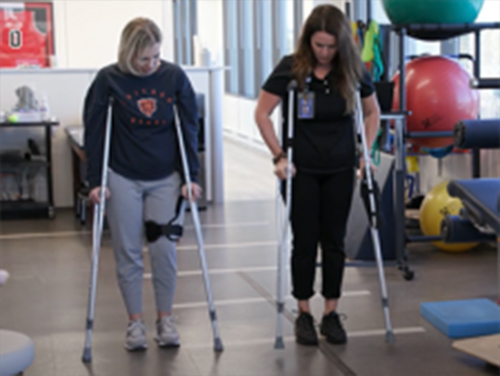
Many patients are able to return to light activities within several weeks, with return to sports typically occurring around 6–8 weeks, depending on individual healing and surgical factors. Recovery after athletic pubalgia surgery is focused on protecting the repaired tissues, restoring strength, and gradually returning to activity through a structured rehabilitation program. Recovery timelines vary depending on the exact procedure performed and the extent of the injury.
In the early stages of recovery, activity is limited to allow proper healing of the repaired tissues. Physical therapy is then introduced to restore core strength, hip and groin stability, flexibility, and overall function. As recovery progresses, patients gradually advance to more dynamic and sport-specific exercises before returning to full athletic participation.
In some cases, persistent pain after surgery may require an additional procedure called an adductor tenotomy, which lengthens the tendons of the inner thigh muscles to reduce tension and improve symptoms. Following a structured rehabilitation plan and surgeon-guided restrictions is essential to optimize healing, restore function, and reduce the risk of reinjury.

Meet Experts in Athletic Pubalgia at the American Hip Institute
We specialize in diagnosing and treating athletic pubalgia and core muscle injuries, using advanced imaging and targeted treatment strategies to restore performance.
AHI serves Chicago and the greater Chicagoland area and is recognized for sports hip and pelvic injury expertise. We combine research leadership with individualized care planning. Request an appointment now.