
Regenerative Medicine
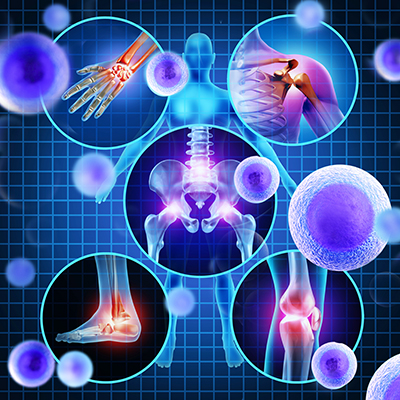
Orthobiologics therapy utilizes the body's natural healing mechanism to treat various conditions.
Orthobiologics are being used to renew and repair diseased or damaged tissues and have shown promising results in treatments of various orthopedic, cardiovascular, neuromuscular and autoimmune conditions.
Orthobiologics are present in all of us acting like a repair system for the body. However, with increased age sometimes the optimum amount of Orthobiologics are not delivered to the injured area. The goal of Orthobiologics therapy is to amplify the natural repair system of the patient's body.
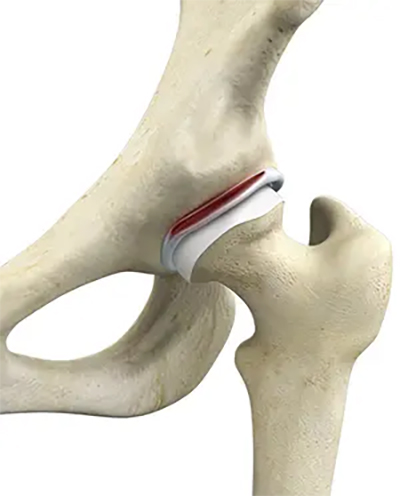
Use of Orthobiologics in Orthopedics
Bone marrow aspirate concentrate (BMAC) is most commonly obtained from the bone marrow, specifically the mesenchymal cells. Orthobiologics have the ability to replicate into cells that form the musculoskeletal system such as tendons, ligaments, and articular cartilage. They can be obtained from the iliac crest of the pelvic bone by inserting a needle and extracting the Orthobiologics from the bone marrow.

Who is a Good Candidate for an Orthobiologics Procedure?
You may be a good candidate for Orthobiologics therapy if you have been suffering from joint pain and want to improve your quality of life while avoiding complications related to invasive surgical procedures.
Preparing for the Procedure
- It is important that you stop taking any non-steroidal anti-inflammatory drugs (NSAIDs) at least two weeks before your procedure.
- Preparing for a Orthobiologics procedure is relatively easy and your doctor will give you specific instructions depending on your condition.

Orthobiologics procedure
The procedure begins with your doctor extracting Orthobiologics from your own bone marrow. Bone marrow is usually aspirated from your hip region. Your doctor will first clean and numb your hip area. A needle is then introduced into an area of your pelvic bone known as the iliac crest. Bone marrow is then aspirated using a special syringe and the sample obtained is sent to the laboratory. In the laboratory, the aspirate is spun in a machine for 10 to 15 minutes and a concentrated Orthobiologics sample is separated.
Your doctor then cleans and numbs your affected area to be treated and then, under the guidance of special x-rays, injects the Orthobiologics into the diseased region. The whole procedure usually takes less than one hour and you may return home on the same day of the procedure.
Post-Procedure Care
- You will most likely be able to return to work the next day following your procedure.
- You will need to take it easy and avoid any load bearing activities for at least two weeks following your procedure.
- You will need to refrain from taking non-steroidal, anti-inflammatory medications (NSAIDS) for a while as this can affect the healing process of your body.
Advantages
- Orthobiologics therapy is a relatively simple procedure that avoids the complications associated with invasive surgical procedures.
- As Orthobiologics therapy uses the cells derived from your own body it reduces the chances of an immune rejection.

Regenerative Medicine Basics
Regenerative medicine is a scientific and medical discipline which focuses on restoring the functioning of damaged cells, tissues, and organs. The goal of regenerative medicine is to find an innovative path towards curing previously untreated injuries and diseases.
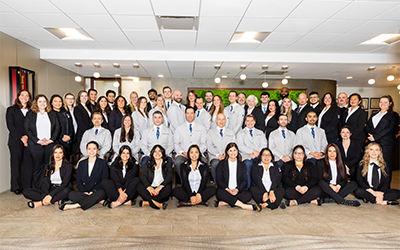
Meet Experts in Regenerative Medicine at the American Hip Institute
We specialize in regenerative medicine for hip conditions, including biologic injections and non-operative therapies designed to support healing and function.
AHI serves Chicago and the greater Chicagoland area and is a leader in both surgical and non-surgical hip care. We create individualized treatment plans based on patient goals and condition severity. Request an appointment now.