
Hip Instability
What is Hip Instability?
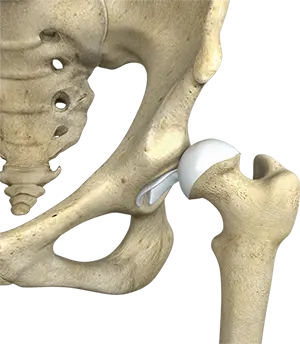
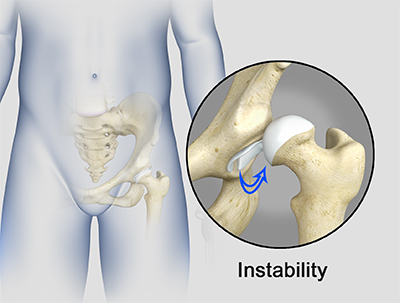
Hip instability is a condition in which the hip joint becomes unstable, and the femoral head (ball of the joint) no longer fits securely within the acetabulum (socket). This causes the joint to move abnormally, which can lead to discomfort and significant pain.
When you walk, stand, sit, and run, your hip supports your upper body and allows you to perform these movements. Hip instability can make everyday activities challenging, especially as we age. It is estimated that there are 2.8 million patients diagnosed with this condition each year, often following a fall or previous injury.

What are the symptoms of Hip Instability?
Hip instability can cause pain in the lower back and groin area. Some patients also describe weakness in the hip joint. Others experience popping, clicking, or catching sensations while walking or standing, making everyday movement more difficult.
Common symptoms include:
- Pain in and around the hip
- Dislocation
- Subluxation (partial dislocation)
- Clicking sounds or a grinding sensation in the hip joint
- Feeling like the hip is coming out of the socket
- Laxity or looseness of the upper leg
If you recognize these symptoms, a hip preservation specialist can determine whether you have hip instability and recommend the appropriate treatment options for your condition.
What causes Hip Instability?
Hip instability may be caused by injuries, underlying conditions, or abnormalities affecting the hip joint:
- Traumatic Instability: This refers to abnormal hip joint movement due to trauma or injury. This means the joint has been subjected to a forceful impact, often from a sports injury or fall. The damage may also result from a fracture or dislocation.
- Atraumatic Instability: This type of hip instability can be caused by genetic conditions, repetitive overuse, joint stress, or congenital abnormalities. Other contributing factors include hip dysplasia(undercoverage of the hip socket), borderline hip dysplasia, connective tissue disorders, neuromuscular disorders, and hypermobility syndrome.
- Chronic Instability: This condition is due to an ongoing partial or complete hip joint dislocation. A congenital deformity (deformity present at the time of birth), connective tissue disorder, or previous injury can also cause chronic instability.
How is Hip Instability diagnosed?
Diagnosing hip instability involves a physical examination, a detailed medical history, and imaging tests. Your provider may perform the below assessments:
- Medical History:Your provider will review your symptoms, previous injuries, surgeries, and other relevant medical history.
- Physical Examination:Various examination maneuvers evaluate range of motion, joint stability, and pain during specific tests.
- Prone Instability Test:This test assesses the stability of the front of the hip joint. You will lie face down while your provider bends your knee and applies gentle pressure to the hip. Pain or excessive movement may indicate hip instability.
- MRI:MRI can be used to evaluate the condition of the hip joint and surrounding soft tissues.
- CT Scan:CT scans provide detailed images of the hip joint and surrounding bone.
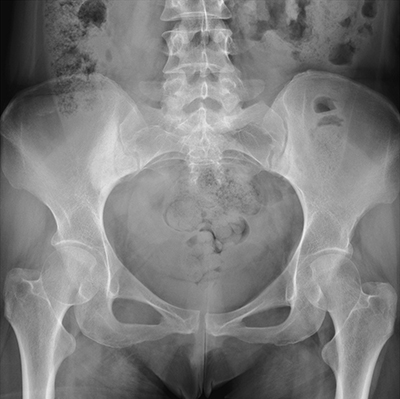
- X-rays:X-rays help evaluate the bones of the hip joint and identify structural abnormalities.
How is Hip Instability treated?
TTreatment for hip instability usually begins with conservative measures, including physical therapy, to strengthen the muscles around the hip joint. These treatments are often recommended before considering surgery.

When is surgery needed for Hip Instability?
When non-surgical treatments fail to provide relief, surgery may be recommended to reshape and stabilize the hip joint. Depending on your condition, your surgeon may recommend one or more of the following procedures:
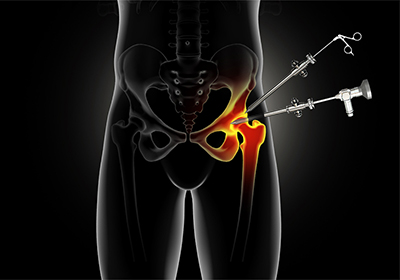
- Hip Arthroscopy: Hip arthroscopy is a minimally invasive procedure that uses a small camera (arthroscope) to visualize the hip joint. This procedure allows the surgeon to identify damage to structures within the hip, including labral tears and bony abnormalities.
- Capsular Plication: Capsular plication tightens the ligaments surrounding the hip joint (the capsule). It may be performed alone or together with hip arthroscopy.
- Ligamentum Teres Reconstruction: The ligamentum teres helps stabilize the ball-and-socket joint of the hip. If this ligament is torn, reconstruction surgery uses a graft to restore stability and reduce pain, catching, and popping sensations.
What is recovery like after surgery for Hip Instability?
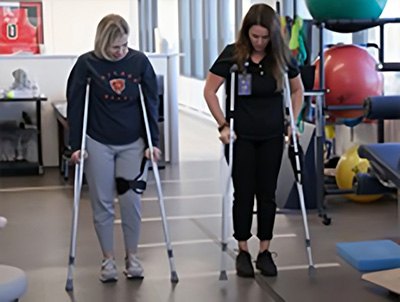
Following surgery, your recovery plan will depend on the procedure performed. Your healthcare provider will discuss your rehabilitation plan and activity restrictions to help restore hip function and stability.

Where can you learn more about Hip Instability?
Read the resources below from the hip preservation specialists at the American Hip Institute.
- Understanding the Scope of Hip Instability – Dr. Benjamin D. Kuhns
Browse research on hip instability conditions and procedures
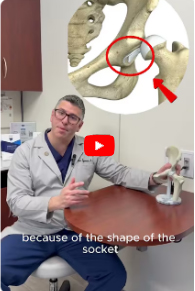
Watch videos from hip preservation specialists explaining the condition:


Where can you find expert treatment for Hip Instability?
American Hip Institute specializes in treating hip instability using advanced imaging and both surgical and non-surgical strategies to restore joint stability and function.
AHI serves Chicago and the greater Chicagoland area and attracts patients seeking expert-level hip care. Our team is widely published in hip pathology research and provides individualized treatment pathways. Request an appointment now.