
Hip Alignment Abnormalities
Femoral Torsion and Hip Rotational Abnormalities
Femoral torsion and other hip rotational abnormalities refer to structural differences in how the bones of the hip joint are aligned. When the femur (thigh bone) or hip socket is abnormally rotated, it can disrupt normal joint mechanics, leading to pain, instability, and reduced function.
What Are Hip Rotational Abnormalities?
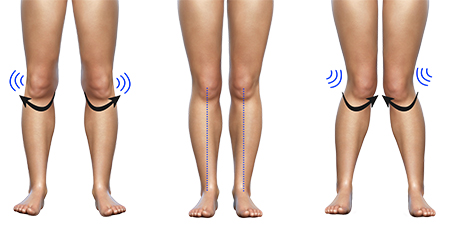
Hip rotational abnormalities occur when the femur or acetabulum (hip socket) is rotated outside of its normal alignment. While small variations can be tolerated and adjusted for in the way we walk and move, larger discrepancies can significantly impact hip stability, movement, and load distribution.
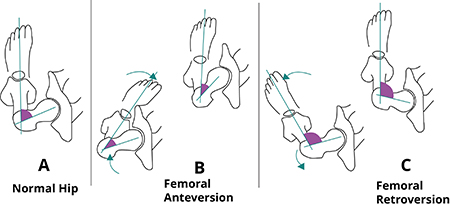
Abnormalities in the “torsion” or rotation of the femur can be fairly common, albeit often missed.
- Excessive femoral anteversion – Often seen as a a ‘pigeon-toed’ appearance (aka in-toeing). This problem can cause hip instability as well as problems with the knee and kneecap.
- Femoral retroversion – Sometimes see as causing an ‘out-toe’ or ‘duck-walking’ appearance but often times without obvious appearance unless looked for. This problem can cause early impingement of the hip as well as downstream problems in the knee, ankle and foot.
In some cases, rotational abnormalities may also involve the hip socket, further affecting how the ball and socket interact.
Understanding the Anatomy of the Hip Joint
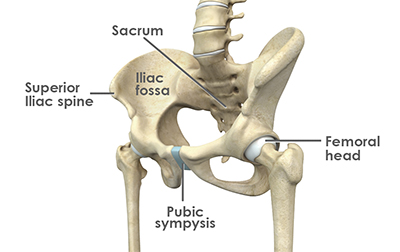
The hip is a ball-and-socket joint composed of:
- The femoral head (ball)
- The acetabulum (socket)
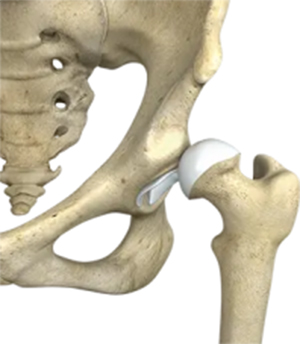
The labrum, a ring of cartilage surrounding the socket, helps stabilize the joint and maintain a suction seal. Articular cartilage allows for smooth, low-friction movement. When alignment is abnormal, it can increase stress on the labrum and cartilage, contributing to conditions such as hip impingement and early arthritis.
Proper rotational alignment is essential for:
- Balanced force distribution across the joint
- Smooth, coordinated movement
- Protection of cartilage and soft tissue structures

Symptoms of Rotational Abnormalities
Symptoms can vary depending on the degree of abnormality and activity level. Some patients may remain asymptomatic, while others develop persistent issues.
Common symptoms include:
- In-toeing or out-toeing during walking
- Hip, knee, or ankle pain
- Sensation of instability in the hip
- Clicking, snapping, or catching in the hip
- Difficulty with athletic activities or coordination
- Patellofemoral (kneecap) instability
- Fatigue or discomfort with prolonged standing or walking
Persistent symptoms should be evaluated to determine whether a structural alignment issue is present.
Causes of Hip Rotational Abnormalities
Rotational abnormalities are typically related to variations in bone development and alignment.
Common causes include:
- Developmental differences in femoral or acetabular rotation
- Abnormal growth patterns during childhood
- Neuromuscular conditions associated with muscle imbalance or spasticity
- Compensation for other hip conditions, such as dysplasia or impingement
- Prior injury or trauma affecting bone structure
These factors can alter biomechanics and increase stress on the hip joint over time.
Diagnosis of Hip Rotational Abnormalities
Accurate diagnosis requires a detailed evaluation by an experienced hip specialist. The compressive evaluation may include:
- Medical History:Review of symptoms, gait changes, and activity limitations
- Physical Examination:Assessment of hip rotation, alignment, and walking mechanics
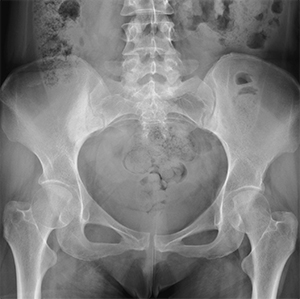
- X-Rays:Evaluation of bone structure and joint alignment
- CT Scans:Precise measurement of femoral and tibial version and rotational alignment
- MRI:Assessment of associated labral tears or cartilage damage

Treatment Options for Hip Rotational Abnormalities
Treatment depends on symptom severity, functional limitations, and the degree of structural misalignment.
Conservative Treatment Options
Non-surgical approaches may include:
- Activity modification
- Physical therapy focused on strength and movement mechanics
- Anti-inflammatory medications
- Image-guided injections for symptom relief
While these treatments can help manage symptoms, they do not correct underlying bone alignment.
Surgical Treatment: Derotational Osteotomies
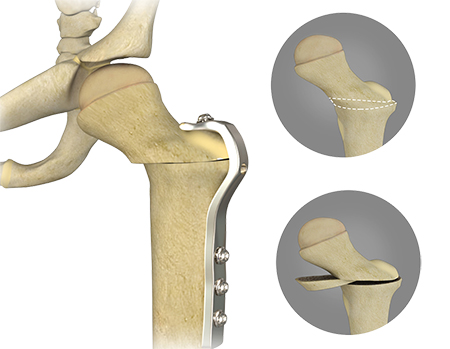
When symptoms are caused by structural misalignment and do not respond to conservative care, surgical correction Derotational Osteotomies may be recommended by a specialist. Joint arthroscopy is often performed at the same time as the below procedures to address damage within the joint, including labral tears or cartilage injury.
Femoral Derotational Osteotomy (FDO)
This procedure is used to correct abnormal rotation of the femur. During surgery:
- The femur is cut and rotated into proper alignment
- The corrected position is secured using plates and screws
- The goal is to restore normal biomechanics and reduce joint stress
Other Osteotomies
In some cases, rotational correction may involve additional or alternative procedures, including:
- Femoral osteotomies
- Tibial osteotomies
- Periacetabular osteotomy (PAO) when rotational issues involve the hip socket
- Combined procedures to correct femoral, tibial and acetabular alignment
These procedures are designed to restore normal joint mechanics, improve function, and help preserve the native hip joint.
Post-Operative Care
Recovery following derotational osteotomy depends on the specific procedure performed.
Patients may require:
- Temporary use of crutches
- Gradual progression of weight-bearing
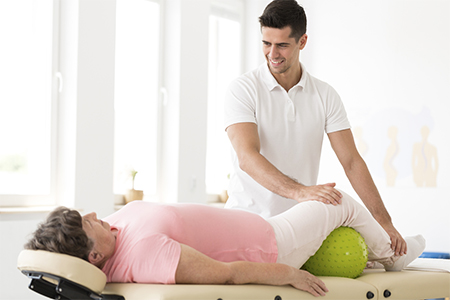
- Structured physical therapy
- Activity modifications during healing
Most patients return to daily activities within several weeks, with a gradual return to higher-level activity over several months.
Learning Resources
Read associated blogs written by alignment specialists
Browse research on hip alignment treatment

Work With Leading Hip Experts
Rotational abnormalities of the hip require specialized expertise for accurate diagnosis and proper treatment. At the American Hip Institute, we serve patients from Chicago, the greater Chicagoland area, and those who travel to us from across the country for specialized care. Our team is experienced in advanced hip preservation techniques, including complex osteotomies, to correct structural alignment issues at their source.