
Ischiofemoral Impingement
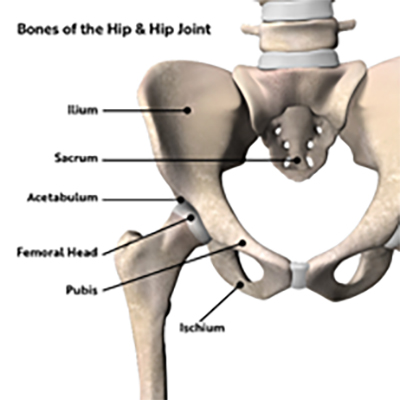
What is Ischiofemoral Impingement?
Ischiofemoral impingement is a condition in which the space between the pelvis (ischium) and the top of the thigh bone (femur) becomes narrowed, causing soft tissues and nearby nerves to become compressed. This often causes pain that is felt beneath or behind the hip joint. This condition is more commonly seen in physically active women.
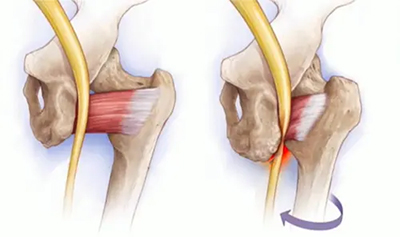
What causes Ischiofemoral Impingement?
Ischiofemoral impingement may be associated with:
- Osteoarthritis
- Strenuous physical activity
- Bony changes that develop over time
- Previous hip replacement surgery

What are the symptoms of Ischiofemoral Impingement?
Patients with ischiofemoral impingement may or may not experience symptoms. However, if you experience any of the symptoms below, it may indicate that you have ischiofemoral impingement:
- Pain in the lower buttock, groin, or inner thigh
- Clicking, popping, or snapping while walking
- Pain similar to sciatica
- An altered gait with back pain
If you recognize these symptoms, a hip preservation specialist can determine whether you have ischiofemoral impingement and recommend the appropriate treatment options for your condition.

How is Ischiofemoral Impingement diagnosed?
Diagnosing ischiofemoral impingement involves a review of your medical history, a physical examination, and diagnostic imaging.
Your provider may specifically recommend:
- X-rays:To evaluate the bones and rule out fractures or other structural abnormalities.
- Magnetic Resonance Imaging (MRI):To evaluate the sciatic nerve and the surrounding soft tissues between the femur and ischium.
- Physical examination:To assess range of motion, hip stability, and pain during specific movements.
- Medical history:A review of your symptoms, lifestyle, and previous surgeries.
- Diagnostic injection with local anesthetic:In some cases, an injection can help determine whether pain is coming from the hip joint or another source, such as the lumbar spine.

How is Ischiofemoral Impingement treated?
Treatment depends on the severity of your symptoms. Mild cases may improve with conservative treatment and do not require surgery.
Conservative treatment options include:
- Activity modification and rest
- Physical therapy
- Non-steroidal anti-inflammatory (NSAID) medications
- Cortisone injections
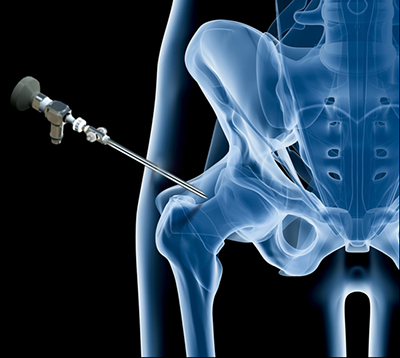
When is surgery needed for Ischiofemoral Impingement?
When conservative treatment options fail to provide relief, surgery may be recommended.
Depending on MRI findings, X-rays, and your physical examination, minimally invasive arthroscopic surgery may be used to treat irritated tissues surrounding the hip.
Possible surgical procedures include:
- Gluteal or other tendon repairor transfer
- Femoral osteotomy
- Decompression of the lesser trochanter of the femur
- Hamstring debridement and repair

What is recovery like after surgery for Ischiofemoral Impingement?
Recovery depends on the procedure performed. Arthroscopic procedures generally have shorter recovery times than open surgery.
During the first three months after surgery, some patients may have weight-bearing restrictions. Physical therapy begins after surgery to help restore strength, mobility, and hip function.

Where can you find expert treatment for Ischiofemoral Impingement?
We specialize in diagnosing and treating ischiofemoral impingement with personalized non-operative and arthroscopic treatment plans.
AHI serves Chicago and the greater Chicagoland area and provides advanced evaluation for complex hip pain. Our team is highly published in hip research and delivers individualized treatment plans. Request an appointment now.