
IT Band Syndrome
What is IT Band Syndrome?
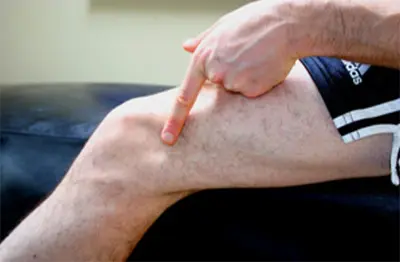
IT band syndrome, also known as runner's knee or iliotibial band friction syndrome, is a condition characterized by chronic pain due to friction and pressure on the soft tissues on the side of the hip, thigh, and knee. This condition is mostly observed in athletes undergoing vigorous movements where there is repeated and high-force bending of the knee and hip.

What causes IT Band Syndrome?
IT band syndrome is mainly caused by overuse where the lateral leg muscles are frequently exposed to high amounts of running and high-impact movements. The condition is slightly more common in women and rarely occurs in sedentary populations.
What Conditions Can Be Confused With IT Band Syndrome?
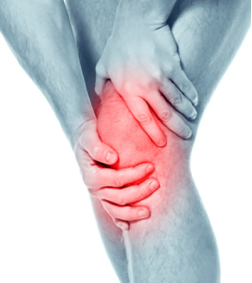
IT Band Syndrome can also be confused with other conditions:
- Greater trochanter bursitis
- Strain or tear of the gluteus medius
- Lateral collateral ligament strain
- Muscular strain or tear in the quadriceps
- Sciatica

What Are the Symptoms of IT Band Syndrome?
Symptoms of IT band syndrome vary and can include:
- Unilateral pain on the side of the thigh
- Nagging pain that worsens over time
- Pain during or immediately after physical activity
- Tenderness to touch on the side of the hip, thigh, and upper knee
- Pain that worsens when running on inclined or declined planes
How Is IT Band Syndrome Diagnosed?
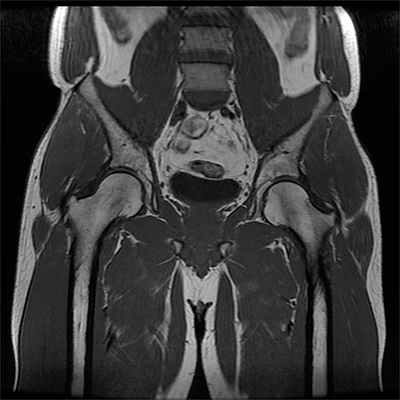
As lateral hip, thigh, and knee pain can have several causes, diagnosing IT band syndrome requires a variety of tests to be diagnosed confidently. Your doctor will carefully review your symptoms and medical history and perform a physical examination.
Diagnostic tests for IT band syndrome include:
- MRI Scan: This study uses a large magnetic field and radio waves to produce images that help detect damage to the soft tissues, muscles, tendons, and ligaments located in the hip, thigh, and knee.
- CT Scan: This scan uses multiple X-rays to produce detailed cross-sectional images of soft tissues, bone, and cartilage structures.
- X-rays: This study uses electromagnetic beams to identify the presence of stress fractures or bony deformities.
- Ultrasound: This study uses high-frequency sound waves to produce images of the tissues.
- Bone Scan: This study uses a radioactive substance to detect any damage to the bones.
Do I Need Surgery for IT Band Syndrome?
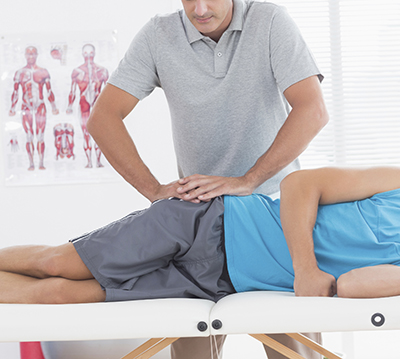
Most cases of IT band syndrome can be treated with conservative treatment methods.
Conservative treatments include:
- Anti-inflammatory medication: Your doctor may recommend non-steroidal anti-inflammatory drugs (NSAIDs) to reduce pain and inflammation in the tissues.
- Rest and Activity Modification: Reducing or modifying physical activity can provide the tissues near the IT band time needed to heal.
- Ice or Heat: Applying ice or heat can help relax muscles and reduce swelling of the lateral leg.
- Injections: Your doctor may recommend steroid injections or platelet-rich plasma (PRP) injections to reduce pain and promote healing.
- Physical therapy: After a rest period, exercises are recommended to address muscle imbalances and strengthen the lateral leg muscles.

When Is Surgery Needed for IT Band Syndrome?
If conservative treatment methods are ineffective, and if the patient and physician feel surgery is necessary, surgical treatment may be recommended.
Possible surgical procedures include:
- Iliotibial band release
- Iliotibial band lengthening
- Iliotibial band bursectomy
- Iliotibial band debridement
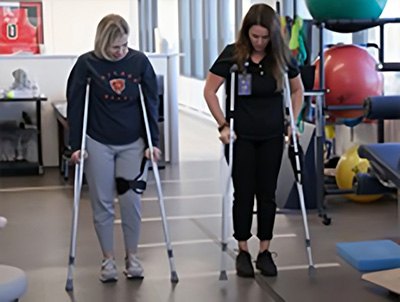
How Long Does Recovery Take After Treatment For IT Band Syndrome?
Recovery depends on the treatment required. Many patients improve with conservative treatment, including rest, activity modification, medications, injections, and physical therapy. If surgery is performed, rehabilitation usually takes about 6–8 weeks.
Persistent pain following surgery may require additional procedures, orthobiologic injections, or physical therapy.

Where Can You Learn More About IT Band Syndrome?
Read the blogs below on IT band syndrome from top orthopedic specialists.
Browse research from the experts.

Where Can You Find Expert Care For IT Band Syndrome?
At the American Hip Institute, we specialize in evaluating and treating IT band–related hip pain, identifying contributing biomechanical and soft tissue factors to guide recovery.
AHI serves Chicago and the greater Chicagoland area and is known for comprehensive hip evaluation and sports injury expertise. Each patient receives a personalized care plan based on their condition. Request an appointment now.