
Proximal Hamstring Tear
What is a Proximal Hamstring Tear?
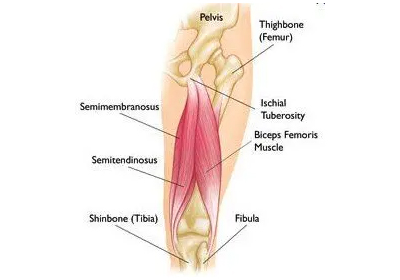
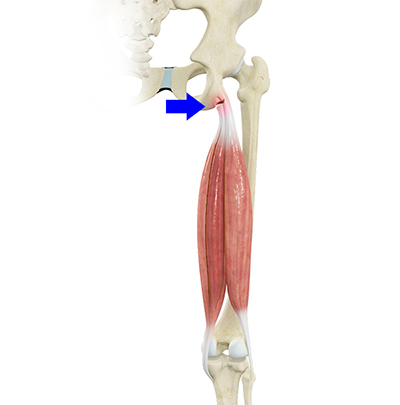
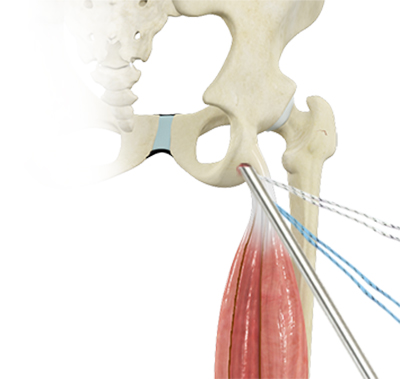
A proximal hamstring tear is an injury in which one or more of the hamstring tendons tear away from their attachment at the pelvis (ischial tuberosity). The hamstrings are a group of four muscles located on the back of the thigh that are responsible for extending the hip and bending the knee.
These muscles include the semitendinosus, semimembranosus, and the long and short heads of the biceps femoris. A proximal hamstring tear can range from a partial tear to a complete avulsion, where the tendon fully detaches from the bone, often leading to pain, weakness, and difficulty with activities such as walking, running, or bending the knee.

What Causes a Proximal Hamstring Tear?
A proximal hamstring tear is typically caused by sudden, forceful movements that overload or overstretch the hamstring tendons where they attach to the pelvis. These injuries are usually traumatic and often occur during high-intensity sports or explosive activities, like:
- Sudden sprinting or acceleration
- Slipping or sudden loss of footing
- Forceful hip flexion with knee extension (such as water skiing injuries)
- Rapid deceleration or cutting movements in sports
- High-impact athletic activities involving explosive leg motion
- Participation in sports such as soccer, baseball, skiing, and gymnastics
What Are the Symptoms of a Proximal Hamstring Tear?
If you have a proximal hamstring tear, you may experience:
- Sudden, severe pain in the back of the thigh or buttock, often accompanied by a popping sensation at the time of injury.
- Significant weakness in the affected leg, often resulting in a limp.
- Persistent pain in the buttock
- Visible bruising and swelling in buttock
- Difficulty with activities such as running, bending, or climbing stairs.
How Is a Proximal Hamstring Tear Diagnosed?
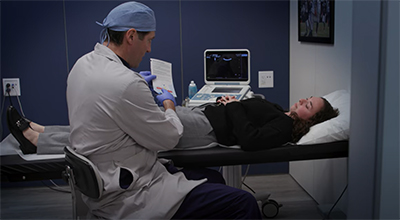
Diagnosis begins with a careful review of your symptoms and medical history, followed by a physical examination performed by your physician. Imaging studies are often used to confirm the diagnosis and assess the severity of the injury.
Common diagnostic tests include:
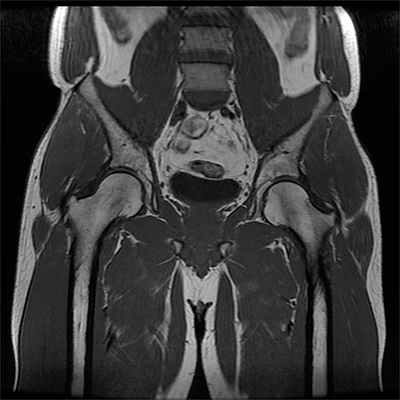
- MRI Scan: Provides detailed images of soft tissues, including muscles, tendons, and ligaments, and is the most useful test for evaluating proximal hamstring tears.
- X-rays: Help rule out fractures or other bone-related injuries in the hip or thigh.
What Are the Treatment Options for a Proximal Hamstring Tear?
Treatment depends on the severity and timing of the injury. Chronic or less severe cases may be managed without surgery, while acute and complete tears often require surgical repair. Nonsurgical treatment options may include:
- Physical therapy: Strengthening and rehabilitation exercises to improve function and reduce pain.
- Regenerative medicine & injections: Treatments such as platelet-rich plasma (PRP) or bone marrow aspirate concentrate (BMAC) may be used to promote healing and reduce inflammation. A recent review of the literature shows patients improve in pain and function after treatment with regenerative medicine for the hamstring tears.
What Are the Surgical Options for a Proximal Hamstring Tear?
For acute or traumatic tears, surgical repair is often recommended:
- Endoscopic (closed) surgery: The torn tendon can often be repaired endoscopically using small suture anchors to reattach the hamstring to the bone. This minimally invasive approach has a high success rate for restoring strength and reducing pain.
- Open surgery: If the tear is large or significantly retracted, an open surgical repair may be required, which requires the surgeon to cut through soft tissue structures near the hamstring. Open surgery may result in more post-operative pain and longer recovery times than endoscopic.
What Is Recovery Like After Proximal Hamstring Repair?
Recovery after proximal hamstring repair should follow a structured, step-by-step rehabilitation program designed to protect the surgical repair, allow proper healing, and gradually restore strength and function. The overall recovery timeline varies depending on the patient’s health and tolerance to rehabilitation, but full recovery typically takes up to nine months.
The rehabilitation process generally includes the following phases:
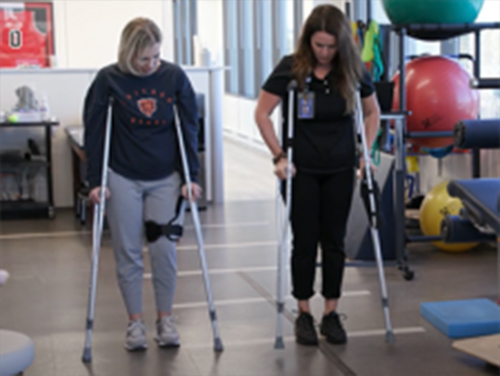
- 0–6 weeks: Protection and healing phase with no weight bearing. Patients use crutches and a brace, with minimal hip and knee movement to protect the repair.
- 6–9 weeks: Gradual return to pain-free function with progression to partial or weight-bearing activities as tolerated.
- 3–4 months: Return to unrestricted daily activities, along with the introduction of light gluteal and hamstring strengthening exercises.
- 5–9 months: Progressive return to unrestricted activity, with increased hamstring and gluteal strengthening to restore full function and support return to sport or higher-level activity.
Learning Resources
Read the blogs below on hamstring tears from top orthopedic specialists.
Browse research from the experts

Meet Experts in Proximal Hamstring Tears at the American Hip Institute
We specialize in treating proximal hamstring injuries, offering both minimally invasive and surgical repair options depending on severity and functional goals.
AHI serves Chicago and the greater Chicagoland area and attracts patients from across the country for advanced sports injury care. We provide personalized treatment planning supported by research expertise. Request an appointment now.