
Ligamentum Teres Tears
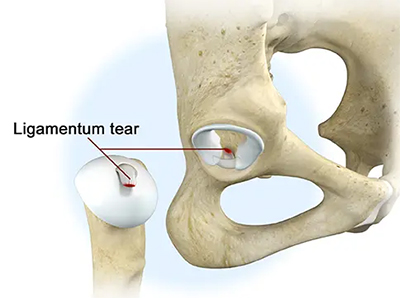
What is a Ligamentum Teres Tear?
A ligamentum teres tear is an injury to the ligamentum teres (LT), a cord-like structure that connects the hip socket (acetabulum) to the ball of the hip (femoral head) and helps provide stability to the hip joint.
When evaluating hip pain, the ligamentum teres is often assessed for structural damage. Patients with LT tears may experience hip instability, including a feeling that the hip is giving out or not staying securely in place.
What causes a Ligamentum Teres Tear?
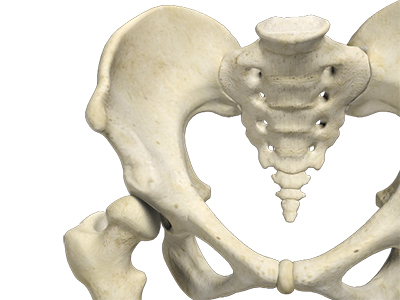
Ligamentum teres tears can result from a combination of patient-specific factors, including activity level, hip stability, aging, Ehlers-Danlos syndrome, and other loose ligament syndromes.
Athletes who participate in frequent physical activity may place stress on the structures of the hip, which can damage the ligamentum teres over time. Patients with reduced structural stability around the hip may also place additional stress on the LT. As patients age, the ligamentum teres may also weaken through wear and tear.
Ligamentum teres tears may be associated with:
- Hip dysplasia
- Muscular instability
- Hypermobility
- Muscular imbalances
- Aging

What are the symptoms of a Ligamentum Teres Tear?
Symptoms of ligamentum teres tears may include:
- Feeling like the hip is giving out
- Weakness in the hip
- Irritation after physical activity
- Apprehension when moving the leg through extreme ranges of motion
How is a Ligamentum Teres Tear diagnosed?
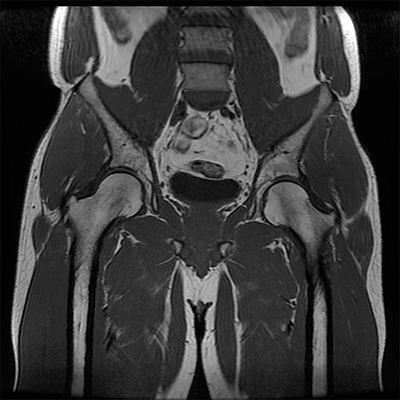
Diagnosing a ligamentum teres tear involves reviewing your symptoms, medical history, and performing a physical examination. Your provider may use several diagnostic tests to determine the cause of your hip pain and develop an appropriate treatment plan:
- Physical Examination:Specific movements can be used to evaluate hip stability and identify possible damage to stabilizing structures, including the ligamentum teres.
- MRI Scan:MRI uses a magnetic field and radio waves to create images that can help identify soft tissue injuries, including LT tears.
- CT Scan:CT scans provide detailed cross-sectional images of soft tissues, bones, and cartilage structures.
- X-rays:X-rays can help identify stress fractures or bony abnormalities within the hip.
Specialized orthopedic doctors called hip preservation specialists have advanced training to diagnose and treat complex conditions like LT tears.

How is a Ligamentum Teres Tear treated?
Treatment for ligamentum teres tears depends on the anatomy of the injury, patient-specific needs, and symptoms. Your doctor may initially recommend conservative treatment, which may be enough for mild cases.
Conservative treatment options include:
- Anti-inflammatory medication:Non-steroidal anti-inflammatory drugs (NSAIDs) may help reduce pain and inflammation.
- Rest and activity modification:Reducing or changing activities can allow the ligamentum teres time to heal.
- Injections:Steroid injections or orthobiologic injections may help reduce pain and promote healing.
- Physical therapy:Exercises and stretches focused on balance and stability can help reduce symptoms.

What is recovery like after surgery for Ehlers-Danlos Syndrome (EDS)?
Rehabilitation following surgery usually takes about 6–8 weeks, however this depends on the procedures performed. Your provider will provide detailed instructions and information on what the recovery period will look like in your individual case.
Where can you learn more about Ligamentum Teres Tears?
Browse research and educational resources from the experts at the American Hip Institute.

Where can you find expert treatment for Ligamentum Teres Tears?
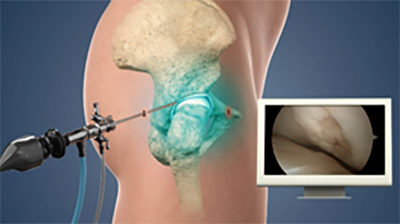
At the American Hip Institute, we specialize in treating ligamentum teres tears using advanced diagnostic techniques and arthroscopic treatment options to restore hip stability.
AHI serves Chicago and the greater Chicagoland area and is a destination center for complex hip pathology. We provide research-backed, personalized care plans for each patient. Request an appointment now.