
Pregnancy & Childbirth-Related Hip Conditions
How Can Pregnancy Cause Hip Pain?
Pregnancy places extra stress on the hips due to weight gain, changes in posture, and a shifting center of gravity. Hormones like relaxin loosen ligaments to prepare for childbirth, but this can also reduce hip stability. These changes may continue after delivery, especially if muscles around the hip and core have not fully regained strength.
What Hip Conditions Can Happen?
Pregnancy and postpartum changes can contribute to several hip issues, including:
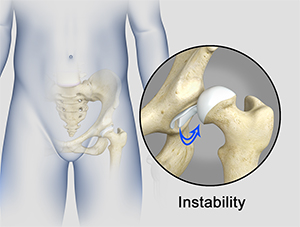
- Hip instability (microinstability):Excess motion in the joint due to ligament laxity
- Labral tears:Damage to the cartilage rim that stabilizes the hip
- Femoroacetabular impingement (FAI):Abnormal contact between the ball and socket
- Muscle imbalance or weakness:Especially in the core and glutes
These conditions often develop gradually rather than from a single injury.
Anatomy of Hip Joint
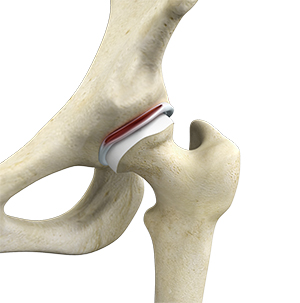
The hip is a ball-and-socket joint where the thigh bone (femur) meets the pelvis. A ring of cartilage called the labrum helps stabilize the joint and provides a smooth surface for movement. During pregnancy, pelvic widening and soft tissue changes can alter how this joint moves and absorbs force.
Risk Factors for Hip Conditions from Pregnancy
Certain factors may increase the likelihood of hip pain during or after pregnancy:
- Hormonal ligament laxity
- Changes in pelvic alignment and posture
- Weak core and hip muscles after delivery
- Returning to high-impact activity too quickly
- Pre-existing hip anatomy or prior hip pain
- High activity levels (e.g., running, sports, or frequent lifting)
Symptoms
Hip problems related to pregnancy may feel different from typical injuries. Common symptoms include:
- Deep groin or outer hip pain
- Clicking or catching sensations
- Stiffness or reduced range of motion
- Pain with prolonged sitting, standing, or walking
- A feeling of instability or “giving way”
Symptoms may worsen with activity or when returning to exercise.
Diagnosis
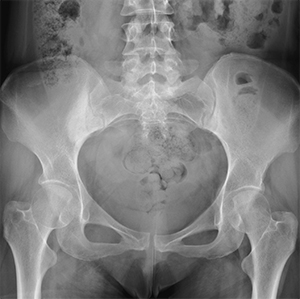
A proper diagnosis starts with a detailed history and physical exam, including discussion of pregnancy and postpartum changes. If symptoms persist, imaging such as MRI may be used to evaluate the labrum and joint structures. Identifying whether pain is due to instability, impingement, or both is key to effective treatment.
Conservative Treatments
Many patients improve without surgery. Common treatments include:
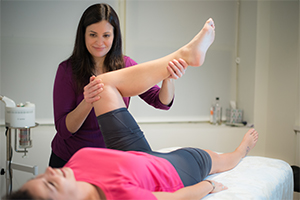
- Physical therapy:Focused on core strength, pelvic stability, and hip control
- Activity modification:Gradual return to exercise
- Anti-inflammatory strategies:As appropriate
- Movement retraining:Correcting posture and biomechanics
These approaches aim to restore stability and reduce stress on the hip joint.
Surgical Options
If symptoms do not improve with conservative care, surgery may be considered.
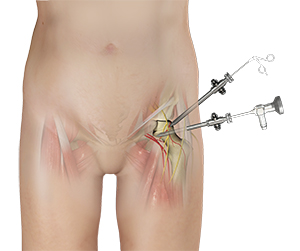
- Hip arthroscopy:A minimally invasive procedure used to repair labral tears, correct impingement, or address instability
Surgical treatment is typically reserved for patients with clear structural issues and persistent symptoms.
Learning Resources
Read the blogs below on pregnancy related conditions from top orthopedic specialists.
Browse research on labral tears

Meet Experts in Pregnancy-Related Hip Conditions at the American Hip Institute:
We specialize in treating hip pain during pregnancy and postpartum, focusing on safe, conservative, and recovery-focused care strategies.
AHI serves Chicago and the greater Chicagoland area and provides advanced evaluation for complex hip conditions. We offer personalized care pathways tailored to each patient. Request an appointment now.