
Core Muscle Injury
What is a Core Muscle Injury?
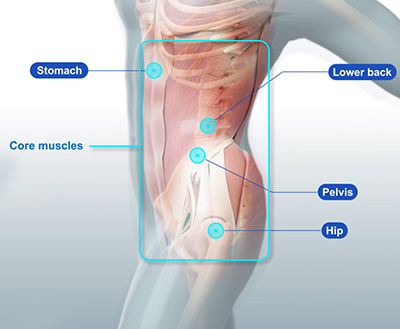
A core muscle injury is a strain, tear, or series of micro-tears in the muscles of the lower abdomen, groin, or inner thigh, most commonly occurring where these muscles attach to the pubic bone. The core muscles include all muscles from the chest to the mid-thigh, such as the abdominal muscles, obliques, and thigh muscles. These muscles work together to stabilize the pelvis and support movement.

What are the Causes of Core Muscle Injury?
A core muscle injury is caused by repetitive stress, sudden force, or overstretching of the muscles in the lower abdomen, groin, or inner thigh. These injuries can develop gradually over time or occur suddenly during physical activity.
Common causes include activities that place repeated or excessive strain on the core muscles, such as:
- Overstretching the abdominal muscles or inner thigh muscles
- Repetitive rotational motions, such as swinging a golf club
- Running or jogging, especially with sudden increases in intensity or volume
- Sports or activities involving twisting, cutting, sprinting, or sudden directional changes
- Work-related or recreational activities that repeatedly engage the core muscles

What are the Symptoms of Core Muscle Injury?
What Are the Symptoms of a Core Muscle Injury?
A core muscle injury typically causes pain in the lower abdomen, groin, or surrounding areas that worsens with physical activity. Symptoms may develop suddenly after an injury or gradually over time with repetitive strain.
- Abdominal or groin pain following an acute injury
- Abdominal or groin pain persists over a longer period of time (months, years)
- Pain in the chest or rib area
- Increased pain during or after physical activity
- Pain either on one side or both sides of the abdomen or groin
- Temporary pain on one or both sides
- Pain that may move between the abdomen, groin, or inner thigh
- Increased discomfort with exertion such as sprinting, kicking, or lifting
- Pain that worsens with coughing, sneezing, or rolling over in bed
- Difficulty performing daily activities due to abdominal or groin pain
How Are Core Muscle Injuries Diagnosed?
What Are the Surgical Treatments for a Core Muscle Injury?
Surgical treatment for a core muscle injury is considered when symptoms are severe or when nonsurgical treatments do not provide adequate relief. The goal of surgery is to repair damaged soft tissues, restore stability to the pubic region, and reduce chronic pain. Surgical treatments may include:
- Repair of muscle attachments: Suturing the injured muscle attachments to the pubic bone and nearby ligaments to restore stability to the pubic joint.
- Rectus abdominis repair: Reattachment of the rectus abdominis muscles to the pubic bone through an open surgical procedure to reconstruct the pelvic floor and address the source of pain.
- Adductor repair or decompression: Surgical treatment of the adductor muscles to relieve tension, repair injured tissue, and improve function when adductor-related injury is present.
What are the Treatments for Core Muscle Injury?
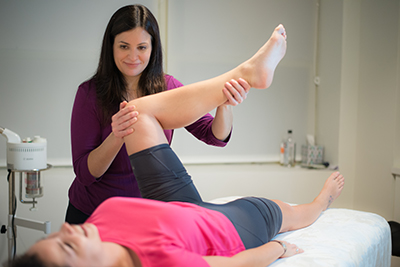
For core muscle injuries, conservative treatments include:
- Application of ice to the painful area
- Activity modification
- Anti-inflammatory medications
- Physical therapy for core stability
- Therapeutic injections and procedures
- Acupuncture
- Massage therapy
Surgical Treatments
Depending on the type and severity of the core muscle injury, various surgical options may include:
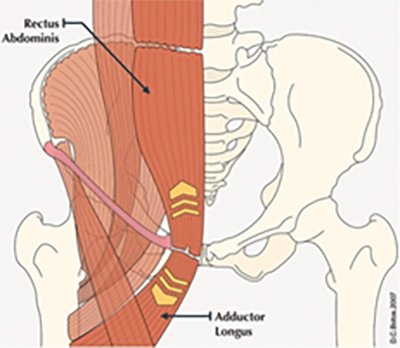
- Suturing the muscle attachments to the bones and neighboring ligaments in order to provide stability to the pubic joint
- Reattachment of rectus abdominis muscles to the pubic bone in an open surgical operation to reconstruct the pelvic floor
- An adductor compartmental decompression or repair for adductor muscle injuries
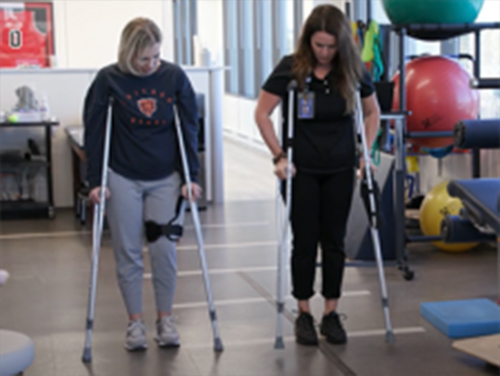
What Is Recovery Like After Core Muscle Repair Surgery?
Recovery after core muscle injury surgery focuses on protecting the repair while gradually restoring strength and function in the abdominal and groin region. Patients are initially limited in activity to allow proper healing of the repaired tissues.
Physical therapy is then introduced to help restore core strength, stability, and flexibility, with a gradual progression from basic exercises to more advanced functional and sport-specific movements. Recovery timelines vary depending on the extent of the repair, but return to full activity is typically gradual and closely guided by the surgical team to ensure proper healing and reduce the risk of reinjury.

Meet Experts in Core Muscle Injuries at the American Hip Institute
We specialize in treating core muscle injuries, focusing on accurate diagnosis and both non-operative and surgical solutions to restore athletic function.
AHI serves Chicago and the greater Chicagoland area and is a referral center for complex sports injuries. Our team provides personalized, research-informed care. Request an appointment now.