
Ehlers Danlos Syndrome
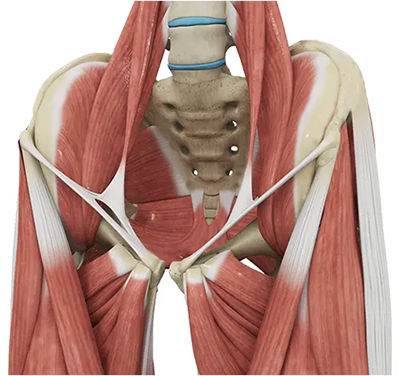
What is Ehlers-Danlos Syndrome (EDS)?
Ehlers-Danlos syndrome (EDS) is a group of inherited conditions that affect the body's connective tissues, causing increased joint flexibility (hypermobility) and instability. The condition is caused by genetic changes that affect collagen, a protein that provides strength and support to soft tissues throughout the body. Because EDS affects multiple organ systems, it can cause complications involving many areas of medicine, including orthopedics.

What causes Ehlers-Danlos Syndrome (EDS)?
EDS is a congenital condition that alters the production of collagen and other components of connective tissue. Healthy connective tissue needs flexibility to allow movement while maintaining enough stability to absorb force safely.
Patients with EDS often experience musculoskeletal pain due to joint hypermobility and may have frequent joint dislocations.
EDS can be confused with other conditions, including:
- Traumatic injuries
- Hip dysplasia
- Muscular weakness or instability
- Torn muscles, tendons, or ligaments

What are the symptoms of Ehlers-Danlos Syndrome (EDS)?
Common symptoms of EDS include:
- Multiple double-jointed joints
- Frequent dislocations
- Unusually high flexibility
- Joint instability
- Pain after activities requiring extreme ranges of motion

How is Ehlers-Danlos Syndrome (EDS) diagnosed?
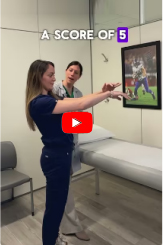
Diagnosing EDS requires a review of your symptoms, medical history, and a physical examination. Your provider may perform a specific physical examination called the Beighton Score, which is a mobility assessment used to evaluate joint flexibility and help diagnose EDS.
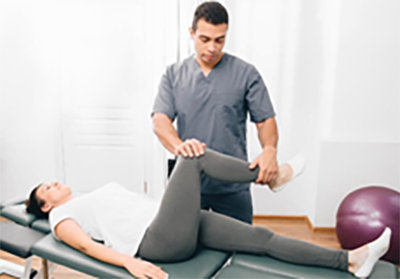
How is Ehlers-Danlos Syndrome (EDS) treated?
Treatment focuses on reducing pain, improving stability, and helping patients safely perform daily activities. Conservative treatment options include:
- Anti-inflammatory medications (NSAIDs):To reduce pain and inflammation.
- Rest and activity modification:Limiting activities that require extreme ranges of motion may help relieve symptoms.
- Ice or heat therapy:To help manage pain.
- Physical therapy:Exercises to improve stability, balance, and correct muscle imbalances.
- Orthobiologic injections:To stimulate healing in joints or tissues affected by hypermobility.
When is surgery needed for Ehlers-Danlos Syndrome (EDS)?
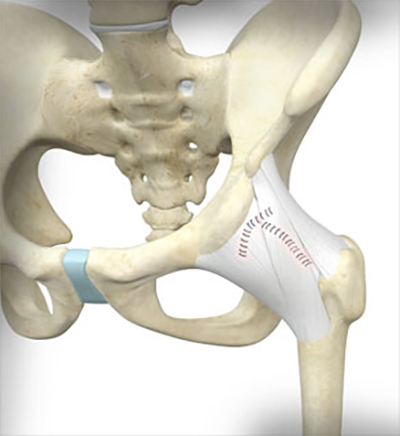
If conservative treatment is not effective, surgery may be recommended to improve hip stability.
Possible surgical procedures include:
- Capsular repair, reconstruction, or plication
- Ligamentum teres reconstruction
- Labral reconstruction
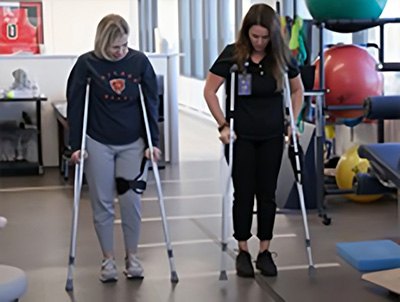
How long does recovery take after surgery for Ehlers-Danlos Syndrome (EDS)?
Rehabilitation following surgery usually takes about 6–8 weeks, but depends on the specific procedure performed.
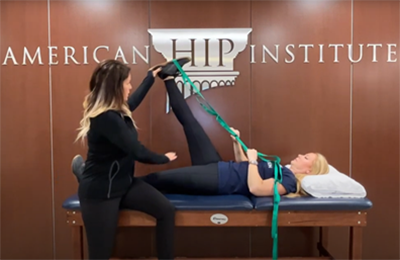
Where Can I Learn More About EDS?
Browse Research on EDS by the American Hip Institute
Watch videos from hip preservation specialists explaining the condition:

Where can you find expert treatment for Ehlers-Danlos Syndrome (EDS)?
We specialize in treating hip instability related to Ehlers-Danlos syndrome using a tailored, multidisciplinary approach focused on improving stability and function.
AHI serves Chicago and the greater Chicagoland area and is recognized for complex hip instability care. Our physicians are highly published and provide individualized treatment plans. Request an appointment now.