
Hip Preservation Surgery
What is Hip Preservation Surgery?
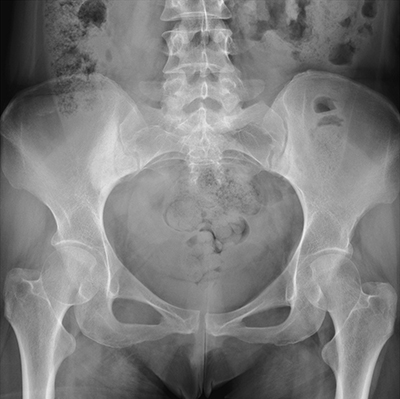
The hip joint is comprised of the head of the femur (thigh bone) and acetabulum (pelvis). Between these bones lies cartilage, which is important in allowing frictionless movement of the joint. When this cartilage gets damaged, there is friction within the joint, accompanied by pain and inflammation. Sometimes, enough damage can cause bone-on-bone contact and limited mobility of the joint.
Older populations can be treated with a total hip replacement, where the hip is replaced with an implant. Total hip replacement is not usually recommended as a treatment option for patients who are younger, because of the wear-and-tear of the implant overtime may necessitate another surgery. Hip preservation surgeries can be an alternative treatment option for younger populations with hip ailments.
Types of Hip Preservation Surgeries
- Hip Arthroscopy: This procedure can be used to treat many conditions that can affect the hip joint, such as labral tears, femoroacetabular impingement syndrome, loose bodies, and cartilage damage
- Femoral Osteotomy: This procedure can treat bony abnormalities of the hip that may be causing the patient pain or injury. It involves making cuts in the femur to restore the anatomy and improve function of the hip.
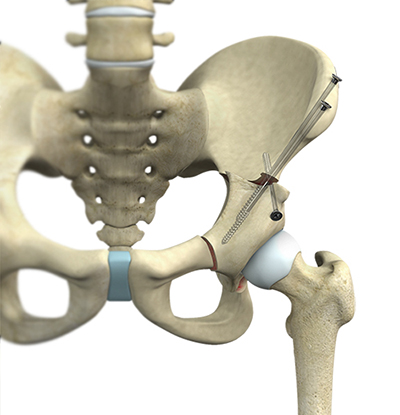
- Periacetabular Osteotomy: This procedure is a surgical treatment for patients with hip dysplasia. Periacetabular osteotomy aims to correct the bony abnormality of this condition by rotating the socket of the hip to cover more of the femoral head.
- Core Decompression: This procedure can be used for patients who have avascular necrosis in their hip. This condition occurs when the blood supply to the femoral head is not sufficient and can cause bone death. Core decompression can treat avascular necrosis by stimulating blood to the femoral head, by drilling through the femoral neck to the location of the avascular necrosis.

Post Operative Care
Your surgeon and care team will provide you with instructions after surgery. These instructions may differ depending on the exact surgery that you undergo. Typically, adhering to medication prescriptions, performing physical therapy, and avoiding certain activities after surgery is recommended.
Learning Resources
Read blogs written by hip preservationists

Meet Experts in Hip Preservation at the American Hip Institute
We specialize in hip preservation procedures, focusing on restoring function and delaying or preventing the need for joint replacement when possible.
AHI serves Chicago and the greater Chicagoland area and is a destination center for complex hip care. Our physicians are among the most published in hip research and provide individualized treatment pathways. Request an appointment now.