
Greater Trochanter Pain Syndrome

What is Greater Trochanter Pain Syndrome?
Greater Trochanteric Pain Syndrome (GTPS) is a common condition that causes pain on the outer side of the hip. This discomfort often results from irritation or inflammation of the soft tissues in that area, including tendons and bursae (fluid-filled sacs that reduce friction). Repetitive movements, overuse, or direct pressure can lead to chronic inflammation, making daily activities like walking, climbing stairs, or lying on the affected side uncomfortable or painful.
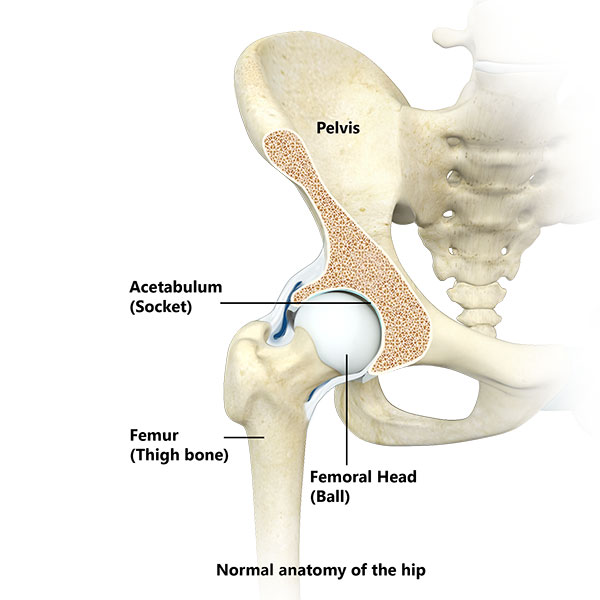
Understanding the Anatomy of the Hip Joint
To better understand how GTPS develops, it helps to first understand the anatomy of the hip. The hip is a ball-and-socket joint, but the outer side of the hip, specifically the greater trochanter (a bony prominence on the femur) is surrounded by important soft tissues like tendons and bursae. These structures help stabilize the hip and support movement.
In GTPS, these tissues become irritated or inflamed due to overuse, friction, or biomechanical issues. This can lead to persistent pain on the side of the hip, especially with activities like walking, climbing stairs, or lying on that side.
Diagnosis
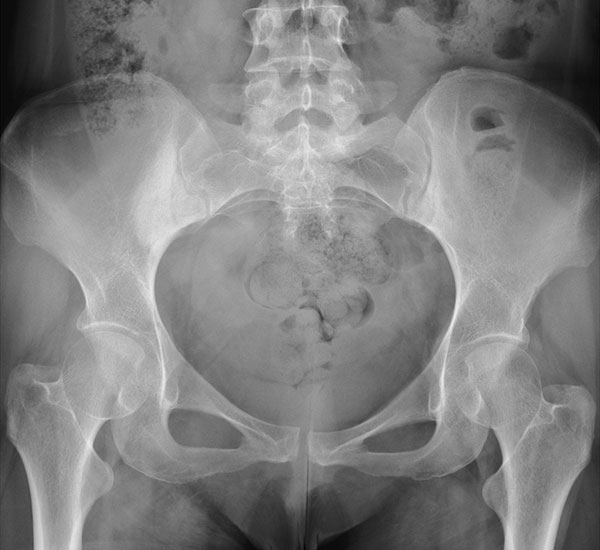
Diagnosing GTPS involves a thorough evaluation that includes reviewing your medical history, assessing your current symptoms, and performing a detailed physical examination. During the exam, specific tests may be used to evaluate range of motion, joint stability, muscle strength, and areas of tenderness or discomfort. Imaging studies often play a key role in diagnosis. X-rays can help identify structural abnormalities or rule out fractures, while MRI or MR arthrogram can provide detailed images of soft tissues such as cartilage, tendons, and the labrum.
Treatment Options for GTPS
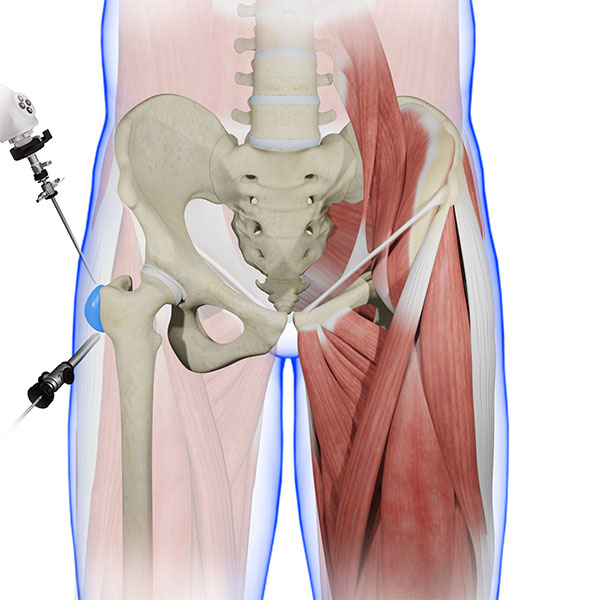
Many people find relief through non-surgical options such as targeted physical therapy to strengthen hip muscles and reduce friction, activity modification to avoid movements that worsen pain, anti-inflammatory medications, and regenerative medicine like platelet-rich plasma (PRP) injections.
In cases where conservative treatments aren't effective, surgical intervention may be considered to relieve persistent inflammation or repair damaged tendons. One common procedure is a trochanteric bursectomy, which involves removing the inflamed bursa to reduce pain and irritation. In some cases, surgeons may use a minimally invasive technique called trochanteric micropuncture to stimulate healing in the affected tissue. If there is a tear in the gluteus medius or minimus tendon, these may be repaired to restore strength and stability to the hip. For patients whose symptoms are related to a tight iliotibial (IT) band, a release procedure may be performed to relieve tension and improve movement. Each surgical approach is carefully selected based on the individual's specific anatomy and needs.

What is the American Hip Institute?
The American Hip Institute is the #1 clinic in the United States for advanced hip treatment, offering the best outcomes and patient experience in the world.
GTPS Treatment at the American Hip Institute
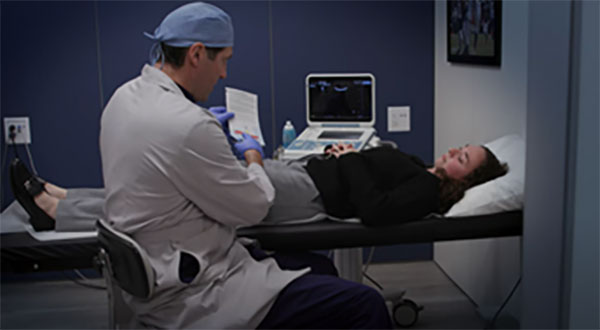
The American Hip Institute is at the forefront of treating GTPS, providing expert care for patients suffering from chronic pain on the outside of the hip. Our team of specialists, including Dr. Benjamin Domb, Dr. Etan Sugarman, and Dr. Benjamin Kuhns, offer both non-surgical and advanced minimally invasive surgical options such as trochanteric bursectomy, gluteus medius/minimus repair, and IT band release when needed. With a focus on preserving mobility and improving quality of life, AHI combines cutting-edge techniques with a research-driven, patient-centered approach to deliver long-lasting relief from GTPS.

American Hip Institute by The Numbers
- 1stIn the nation to perform outpatient robotic hip surgery
- 10000+Hip surgeries performed by AHI surgeons
- 550+Research articles published by the team, driving innovation in hip treatment
-
Jade O. shares her patient journey after playing collegiate basketball to pursue a career in medicine
Forced to the sidelines, I lost my autonomy, mobility, and part of my identity. I no longer could play the sport that I loved. After months of searching for a diagnosis, we were able to figure out that it was actually a hip problem thanks to the research and expertise of the team at the American Hip Institute.

-
3-time All-American Wrestler from Arizona State returns to the mat pain-free following hip arthroscopy and removal of loose bodies
I saw a few different doctors and the team at AHI made me feel like this was where I needed to go and have it done. After the surgery, I haven't felt any locking up, I am able to do a lot of these motions and not feel the same type of pain.
-
Realtor Sees Quick Relief After Hip Arthroscopy
I am very very happy to say that the doctors and the staff at AHI have just solved my problems and I am so happy to refer them!


Meet Our Team!
The American Hip Institute is the first medical center in the nation dedicated exclusively to the treatment of hip conditions, with specialized expertise in managing GTPS. Our team understands the complex causes of lateral hip pain, including soft tissue irritation, tendon injury, and biomechanical imbalances. We offer a full spectrum of personalized treatments, from non-surgical options like physical therapy and guided injections to advanced minimally invasive procedures aimed at relieving pain and restoring function. With a research-driven approach and a commitment to compassionate, individualized care, AHI continues to lead the way in effectively treating GTPS.


