
Dysplasia
What is Hip Dysplasia?
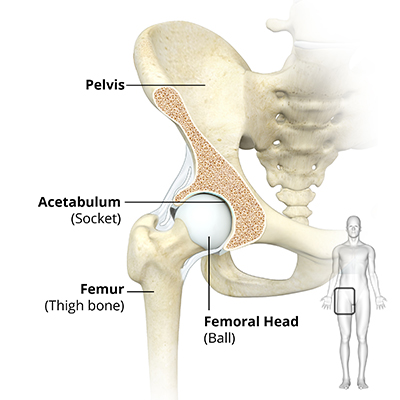
Hip dysplasia is a condition in which the hip socket (acetabulum) is too shallow and does not fully cover the ball of the hip joint (femoral head). This lack of coverage can place extra stress on the weight-bearing portion of the hip joint. Hip dysplasia is a congenital condition, meaning a person has the condition from birth. When the socket does not fully cover the femoral head, it can lead to abnormal stress on the hip joint.
Hip dysplasia can contribute to hip instability, labral damage, and early-onset arthritis. Patients with untreated dysplasia may have an increased risk of needing a hip replacement earlier in life.

What causes Hip Dysplasia?
Hip dysplasia is a developmental condition that may be caused by:
- Injury during pregnancy or early childhood
- Infection during pregnancy or early childhood
- Position in the uterus
Hip dysplasia is more commonly found in patients who are:
- Female
- First-born
- Born with a large birth weight
- Born in a breech position
- Have a family history of developmental dysplasia of the hip

What are the symptoms of Hip Dysplasia?
Symptoms of hip dysplasia may include:
- Constant, achy pain
- Intermittent catching or locking
- Groin pain
- Buttock pain
- Difficulty walking
- Hip instability
- Extreme flexibility
How is Hip Dysplasia diagnosed?
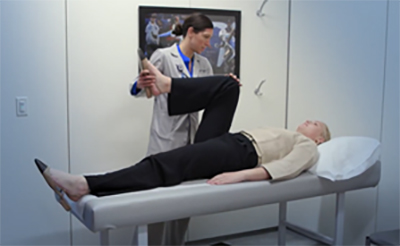
Diagnosing hip dysplasia involves a physical examination, diagnostic imaging, and a review of your medical history.
Your provider may recommend:
- X-rays:X-rays help evaluate abnormalities in the bones of the hip that may indicate hip dysplasia.
- Magnetic Resonance Imaging (MRI):MRI can evaluate the cartilage and bone structures that make up the hip joint.
- Physical Examination:Your provider will assess range of motion, hip stability, and pain with specific movements.
- Medical History:Your provider will review your symptoms, lifestyle, previous surgeries, and other relevant medical history.

How is Hip Dysplasia treated?
Treatment for hip dysplasia depends on the severity of the condition, your symptoms, and your individual needs. Conservative treatment options include:
- Activity modification and rest:Avoiding certain activities may help reduce symptoms.
- Physical therapy:Physical therapy can improve range of motion and strengthen the muscles supporting the hip joint.
- Medications:Anti-inflammatory medications can help reduce pain and inflammation.
When conservative treatments do not provide relief, some patients may need surgery to correct the dysplasia, treat cartilage damage, and improve hip function. Hip preservation specialists are doctors that are experts in treating complex hip conditions like hip dysplasia.
When is surgery needed for Hip Dysplasia?
Surgical treatment depends on the severity of the dysplasia and the structures affected.
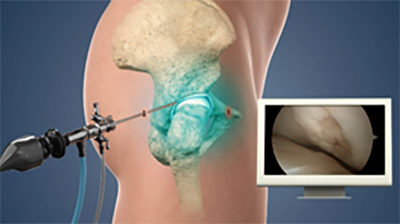
Hip Arthroscopy: Mild dysplasia can often be treated with hip arthroscopy. During this minimally invasive procedure, your orthopedic surgeon uses a small camera and specialized instruments to evaluate the hip joint, repair damage inside the joint, and tighten the capsule around the hip.
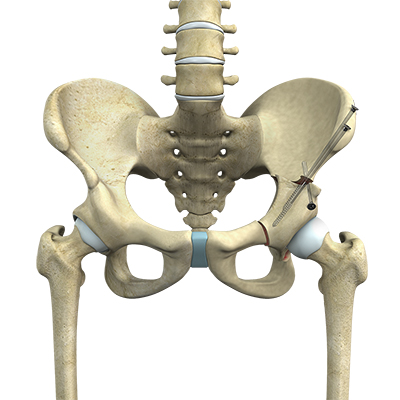
Periacetabular Osteotomy (PAO): Severe dysplasia may require correction of the underlying bone abnormality through a procedure called a periacetabular osteotomy (PAO).
Combined hip arthroscopy and PAO: At the American Hip Institute, specialists treat dysplasia using combined procedures. The goal of these procedures is to address both the structural cause of dysplasia (with a PAO) and the source of hip pain (labral tears and any damage within the joint).

What is recovery like after surgery for Hip Dysplasia?
Recovery after surgery for hip dysplasia depends on the procedure performed and the patient's individual needs. Following surgical treatment, your care team will provide instructions to support healing and help restore hip function.
Where can you learn more about Hip Dysplasia?
Read the blogs and research below from hip preservation specialists at the American Hip Institute.
Browse research on hip dysplasia

Where can you find expert treatment for Hip Dysplasia?
The American Hip Institute specializes in diagnosing and treating hip dysplasia using advanced imaging and both joint-preserving and reconstructive surgical techniques.
AHI serves Chicago and the greater Chicagoland area and is a referral center for complex hip reconstruction. Our physicians are highly published in hip research and provide individualized care pathways. Request an appointment now.