
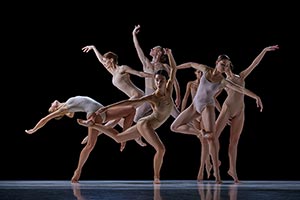
Dancers, with their demanding routines and acrobatic movements, often push their bodies to the limit. This physical intensity can take a toll on their joints, particularly the hips. Hip health is crucial for dancers to maintain optimal performance and longevity in their careers.
Unique Challenges for Dancers
Dancers face several unique challenges that can put their hip health at risk. They include:
- Repetitive Movements: The repetitive nature of dance movements, such as pirouettes and leaps, can lead to overuse injuries.
- High Impact: Many dance styles, like ballet and tap, involve high-impact movements that can strain the hip joint.
- Flexibility Demands: The need for extreme flexibility can put undue stress on the hip muscles and ligaments.
- Poor Posture: Improper posture, especially during practice or performances, can contribute to hip misalignment and pain.
Common Hip Injuries in Dancers
Dancers are prone to certain hip injuries due to the repetitive and high-impact nature of their movements. Common hip injuries in dancers include:
- Hip Flexor Strains: Overuse of the hip flexor muscles, especially when combined with poor flexibility, can lead to strains or tears.
- Labral Tears: The labrum, a cartilage ring around the hip socket, can become torn due to repetitive movements or traumatic injuries.
- Femoroacetabular Impingement (FAI) also known as Hip Impingement: This condition occurs when the hip joint bones don't fit together properly, leading to pain and inflammation.
- Bursitis: Inflammation of the bursa, a fluid-filled sac that cushions the hip joint, can cause pain and tenderness.
Prevention Strategies
Dancers can take proactive steps to prevent hip injuries by adopting the following strategies:
- Proper Warm-up and Cool-down: A thorough warm-up can prepare the muscles and joints for the demands of dance, while a cool-down can help prevent stiffness and soreness.
- Strength Training: Incorporate strength training exercises to improve muscle balance and stability around the hip joint.
- Flexibility Training: Regular stretching can help maintain flexibility and reduce the risk of injuries.
- Rest and Recovery: Ensure adequate rest and recovery to allow the body to repair and regenerate.
- Good Footwear: Wear appropriate dance shoes that provide support and cushioning.
- Technique and Alignment: Focus on proper technique and alignment to minimize stress on the hip joint.
Treatment Options
Dancers experiencing hip pain may require various treatment options, depending on the severity of the injury. These include:
- Conservative Treatment: Initial treatment often involves rest, ice, compression, and elevation (RICE), along with pain management medications.
- Physical Therapy: A physical therapist can provide exercises to improve strength, flexibility, and range of motion.
- Corticosteroid Injections: In some cases, corticosteroid injections may be used to reduce inflammation.
- Surgery: If conservative treatments fail, surgery may be necessary to repair damaged tissue or address underlying structural issues.
- Regenerative Medicine: This emerging field uses biological therapies to promote tissue repair and regeneration, potentially aiding in the healing of dance-related hip injuries.
Remember: Early detection and treatment are key to preventing long-term complications. If you're experiencing hip pain or discomfort, it's important to consult with a qualified healthcare professional.
At American Hip Institute, our team of experts specializes in hip health and can provide personalized care tailored to the unique needs of dancers. We offer a comprehensive range of services, including diagnosis, treatment, and prevention strategies. Don't let hip pain hinder your dance career. Contact us today to schedule a consultation.
FAQs
Q1: Why are dancers prone to hip injuries?
Dancers are particularly susceptible to hip injuries due to the repetitive, high-impact nature of their movements combined with the extreme flexibility demands of most dance styles. Repetitive motions like pirouettes and leaps place ongoing stress on the hip joint, while poor posture or improper technique can cause misalignment that accelerates wear on cartilage, ligaments, and surrounding muscles over time.
Q2: What are the most common hip injuries in dancers?
The most frequently seen hip injuries in dancers include hip flexor strains from overuse, labral tears caused by repetitive movement or trauma, femoroacetabular impingement (FAI) where the hip bones don't fit together properly, and bursitis from inflammation of the fluid-filled sac cushioning the joint. Each of these conditions can significantly impact a dancer's performance and career longevity if not identified and treated early.
Q3: How can dancers prevent hip injuries?
Key prevention strategies include thorough warm-up and cool-down routines before and after practice, regular strength training to improve muscle balance and stability around the hip, consistent flexibility training, adequate rest and recovery between sessions, and a strong focus on proper technique and alignment during all movements. Wearing appropriate footwear that provides support and cushioning is also important for dancers in high-impact styles like tap and ballet.
Q4: Can dancers return to performing after hip surgery?
Yes, many dancers successfully return to performing after hip surgery, particularly when the condition is diagnosed early and treated with minimally invasive techniques such as hip arthroscopy. Recovery involves structured physical therapy to rebuild strength, flexibility, and neuromuscular control specific to dance demands. Working with a hip specialist experienced in treating performing artists is critical to ensuring a safe and complete return to the stage.
Q5: When should a dancer see a hip specialist?
A dancer should seek a professional evaluation if hip pain persists beyond a few days despite rest, worsens with activity, or is accompanied by clicking, catching, or a feeling of instability in the joint. Early intervention is especially important for dancers because conditions like labral tears and FAI can progress rapidly with continued high-impact training — and addressing them promptly gives the best chance of preserving long-term joint health and career longevity.
Reference Links: