
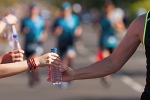
Whether you're a professional athlete, a weekend warrior, or simply someone who enjoys staying active, the role of hydration in sports performance cannot be overstated. Proper hydration is essential for maintaining optimal physical and mental function, as well as maximizing athletic potential. Let’s take a closer look at the impact of hydration on athletic performance, and explore why staying properly hydrated is critical for optimal performance.
Staying hydrated is crucial for sports performance, with amazing health benefits. Adequate hydration helps regulate the body's temperature, optimizing the body’s cooling princess during exercise, while reducing the risk of heat-related illnesses. Proper hydration supports joint lubrication, which reduces the risk of injuries and promotes mobility and flexibility.1
Hydration plays a vital role in maintaining cognitive function, concentration, and reaction time, which are all essential for making quick decisions and performing at one's best.
In fact, hydration plays a significant role in preventing hip-related injuries and promoting overall hip health. The complexity of the hip joint requires proper lubrication and cushioning for mechanical function. Dehydration can lead to a decrease in synovial fluid, the lubricating fluid in the joint, resulting in increased friction and wear on the hip joint surfaces.2 Even mild levels of dehydration (3 to 5% of body weight) can hurt athletic performance. If you have not had enough fluids, your body cannot effectively cool itself through sweat and evaporation.
Proper hydration can positively affect an athlete's performance and physiological function, including your hip joints. Your hip’s health and performance depends on adequate hydration for functioning at the highest level possible. Hydration is a fundamental factor in maximizing endurance, strength, power, and potential to win the game.
FAQs
Q1: How does dehydration affect athletic performance?
Even mild dehydration of just 3 to 5 percent of body weight can meaningfully impair athletic performance by reducing the body's ability to cool itself through sweat, decreasing endurance and power output, and impairing cognitive function, concentration, and reaction time. For athletes who rely on quick decision-making and explosive movement, maintaining proper fluid levels before, during, and after activity is essential for performing at their best.
Q2: Can dehydration cause hip pain or hip injuries in athletes?
Yes. Dehydration reduces synovial fluid — the lubricating fluid within the hip joint — leading to increased friction and accelerated wear on joint surfaces. Because the hip is a complex, high-load joint that depends on adequate lubrication for smooth mechanical function, even moderate fluid deficits can increase the risk of hip-related injuries and contribute to pain, stiffness, and reduced mobility during athletic activity.
Q3: How does hydration support joint health during exercise?
Proper hydration helps maintain the synovial fluid that cushions and lubricates joints like the hip, reducing friction and protecting cartilage surfaces during high-impact movement. It also supports muscle function and flexibility, which reduces the mechanical stress placed on the joint during exercise. Staying consistently hydrated throughout the day — not just during workouts — is the most effective strategy for maintaining optimal joint lubrication and long-term hip health.
Q4: How much water should athletes drink to stay properly hydrated?
Hydration needs vary based on body weight, sport intensity, environmental conditions, and individual sweat rates. General guidelines recommend drinking fluids consistently throughout the day and increasing intake before, during, and after exercise. For intense or prolonged activity — especially in heat — electrolyte-containing beverages can help replace minerals lost through sweat and support more effective rehydration than water alone. Athletes should monitor urine color as a simple indicator of hydration status, aiming for a pale yellow color.
Q5: What are the signs of dehydration athletes should watch for?
Common early signs of dehydration include increased thirst, dry mouth, darker than usual urine, fatigue, and reduced concentration — all of which can begin to impair performance before an athlete feels significantly ill. More serious dehydration may present as muscle cramps, dizziness, headache, and decreased strength or endurance. Recognizing these signs early and responding with prompt rehydration can prevent performance decline and reduce the risk of heat-related illness or joint injury during training and competition.
Reference Links: