
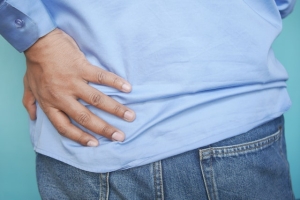
Experiencing discomfort around the hips can impact your daily activities and overall quality of life. It can limit your movements, preventing you from doing simple day-to-day activities like walking, sitting or running. One of the most common hip conditions is flexor strains which occur when the hip flexor muscles are pulled, torn or injured.
Understanding what is a hip flexor strain, identifying its symptoms and knowing the best ways to manage this condition allows you to get the proper medical treatment and achieve a faster recovery. We’ll get into the following topics:
- What are hip flexors?
- Hip flexor strain symptoms
- What causes a hip flexor strain?
- Hip misalignment symptoms
- How to help an injured hip flexor
What Are Hip Flexors?
Hip flexors are a muscle group located on the front top of the thigh in the pelvic area. Because of these muscles, you can flex your hip and raise your leg, which means that you are using them every time you take a step. The hip flexors consist of five muscles; iliacus, psoas, sartorius, pectineus and rectus femoris.
Hip Flexor Strain Symptoms
The symptoms of this condition will vary significantly since they depend on the severity of the injury. However, the most common indication is a pain in the hip, groin or upper thigh area.
Other hip flexor strains symptoms may include:
- Discomfort when lifting the leg
- Reduced mobility
- Swelling
- Muscle spasms in the thighs or hips
- Cramping, stiffness and weakness of the muscles
When experiencing these symptoms, it’s often common to have difficulty getting out of a chair, climbing stairs or walking down sloped surfaces. In addition, you may find it hard to walk without limping.
What Causes Hip Flexor Strain?
The most common cause of hip flexor strain is repeated use of the muscles. With overuse, the muscle stretches too much, causing strain. Athletes and individuals who engage in high-impact activities are more likely to experience this hip condition. Additionally, sudden movement, like an unexpected change in direction while in motion, is a common cause.
When hip flexor strains are left untreated, they can develop into tears. The tears can range from mild to severe and are graded from one to three:
- Grade 1: This is a minor tear where only a few muscle fibers are damaged.
- Grade 2: This injury involves many damaged muscle fibers and a moderate loss of hip flexor function.
- Grade 3: This injury involves a completely ruptured or torn muscle, accompanied by pain and discomfort when moving.
Aside from overuse, other aggravating factors can lead to hip flexor strain, including extended periods of sitting. Sitting for hours will cause the hip flexor muscles to weaken and become tighter, making them more prone to injuries.
Too Much Pain: Hip Misalignment Symptoms
If the pain you are experiencing is debilitating, your condition might be more than a strain - it can be due to a hip misalignment. Unfortunately, hip misalignment symptoms are almost the same with hip flexor injuries, so it can be hard to know which one you're suffering from. It’s best to seek the help of an established orthopedic doctor to see the best treatment options for your condition or whether you need to undergo a hip flexor repair surgery.
How To Help An Injured Hip Flexor
Knowing what is a hip flexor strain is the first step to recovery. It allows you to identify the symptoms sooner, giving you a better chance of seeking proper medical treatment. There are many ways to treat a hip flexor strain or tear, but these are the top recommendations of health professionals.
Rest
Hip flexor strains are often treated with rest. Orthopedic doctors will most likely recommend that you rest until the pain goes away before resuming any physical activity. This could take anywhere from two days to two weeks, depending on the severity of the injury.
Home Remedies
The most common home remedy to treat a hip flexor strain is applying a cold compress on the affected area for 20 minutes every three to four hours. Depending on your doctor's recommendation, it helps to do this for two days to a week.
Exercises
When recovering from a flexor strain, you may need to perform gentle exercises to help reduce muscle tension. Stretches will suffice, but be cautious of overexerting certain motions, to avoid the risk of re-injury.
Surgery
A hip flexor repair surgery is reserved for extreme cases, such as a Grade 3 tear. In addition, your doctor may also recommend that you see a physical therapist to rehabilitate your hip flexor muscles properly.
Get the Best Treatment With American Hip Institute
The American Hip Institute is the nation's leading orthopedic clinic, dedicated exclusively to providing minimally-invasive and cutting-edge treatment for patients with hip pain. Our surgeons have developed unique techniques in Hip Arthroscopy, regenerative medicine, Robotic Hip Replacement and stem cell therapies that will provide the best patient experience and outcomes. Reach out to us today if you suffer from hip flexor strains, tears or injuries, and we will be more than happy to accommodate you.
FAQs
Q1: What are the symptoms of a hip flexor strain?
The most common symptom of a hip flexor strain is pain in the hip, groin, or upper thigh area that worsens with movement. Additional symptoms include discomfort when lifting the leg, reduced mobility, swelling, muscle spasms, cramping, stiffness, and weakness in the hip and thigh muscles. In more significant strains, patients often have difficulty getting out of a chair, climbing stairs, walking on slopes, or moving without a limp — all of which signal the need for a professional evaluation.
Q2: What causes hip flexor strains and who is most at risk?
Hip flexor strains most commonly result from overuse, where repetitive activity causes the muscle to stretch beyond its capacity, or from sudden movements like an unexpected change of direction during sport. Athletes and individuals who engage in high-impact activities are most susceptible, but prolonged sitting can also weaken and tighten the hip flexors over time, making them more vulnerable to injury. Left untreated, strains can progress into partial or complete muscle tears requiring more intensive intervention.
Q3: What is the difference between a grade 1, grade 2, and grade 3 hip flexor strain?
Grade 1 strains involve minor damage to a few muscle fibers with mild pain and minimal functional loss. Grade 2 strains affect a larger number of muscle fibers and cause moderate pain with a noticeable reduction in hip flexor function. Grade 3 strains involve a complete muscle rupture accompanied by significant pain, swelling, and an inability to perform normal hip movements — and may require surgical repair and formal physical therapy rehabilitation for full recovery.
Q4: How do you treat a hip flexor strain at home?
Mild to moderate hip flexor strains can often be managed at home with rest, avoiding activities that aggravate the pain until symptoms subside. Applying a cold compress to the affected area for 20 minutes every three to four hours during the first few days helps reduce swelling and discomfort. Gentle stretching exercises may also be introduced during recovery to relieve muscle tension, though care should be taken not to overexert the injured muscles and risk re-injury before adequate healing has occurred.
Q5: When does a hip flexor strain require surgery?
Surgery for hip flexor strains is reserved for the most severe cases — typically grade 3 tears involving a complete muscle rupture that cannot heal adequately with conservative treatment alone. For most grade 1 and grade 2 injuries, rest, home remedies, and progressive physical therapy are sufficient for a full recovery. If pain is debilitating, symptoms are not improving with conservative care, or hip misalignment is suspected alongside the strain, an evaluation by an orthopedic hip specialist is strongly recommended to determine the most appropriate treatment path.