

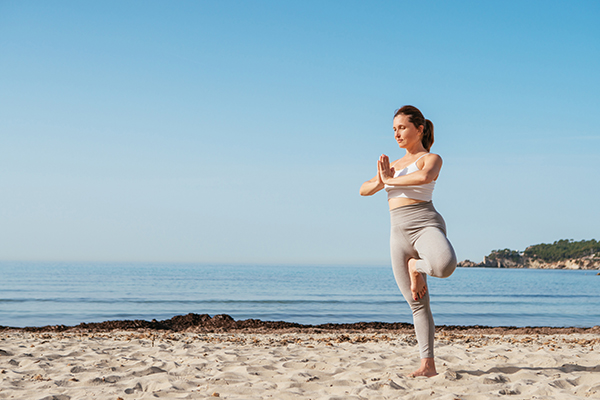
Hip stability is easy to overlook until weakness starts affecting the way you walk, run, climb stairs, or balance on one leg. The gluteus medius plays a central role in controlling the pelvis and supporting efficient lower-extremity movement, but strengthening it requires a combination of multiple exercises. The right movements should match your symptoms, strength, and diagnosis. Here are several exercises that can help build gluteus medius strength and improve hip stability safely.
Why the Gluteus Medius Matters for Hip Stability
The gluteus medius is located along the outside of the hip and helps move the leg away from the body's midline. It also contributes to pelvic stability during activities such as walking and standing on one leg. When the muscle is weak or injured, controlling the pelvis and lower extremity can become more difficult.
The gluteus medius is particularly important for maintaining a stable hip during movement. Its function can influence how the hip, knee, and ankle align as you walk, run, squat, or change direction.
Weakness is not necessarily the same as a tendon tear, however. Persistent lateral hip pain or weakness should be evaluated to determine whether the issue involves the gluteus medius tendon, another structure around the hip, or a different source altogether.
Start With Gentle Hip Abduction Exercises
One of the most direct ways to target the gluteus medius is through hip abduction, which involves moving the leg away from the body's midline.
Side-Lying Hip Abduction: Lie on your side with your legs extended. Keeping your upper body stable, slowly raise the top leg while maintaining control of your pelvis. Lower the leg gradually and repeat.
The movement should remain controlled rather than relying on momentum. You do not need to lift the leg excessively high. If the exercise produces significant pain, stop and discuss the symptoms with your healthcare professional.
Side-lying hip abduction is commonly used to strengthen the muscles responsible for lateral hip control and can be progressed as strength improves.
Build Hip Strength With Bridging: Bridges target several muscles around the hips and trunk while requiring the pelvis to remain controlled.
Bilateral Glute Bridge: Lie on your back with your knees bent and feet planted on the floor. Engage your abdominal and gluteal muscles while keeping your spine controlled. Raise your hips until your shoulders, hips, and knees form a relatively straight line, then lower slowly.
Begin with controlled repetitions. As your strength improves, you may progress toward holding the elevated position for several seconds.
A physical therapy protocol for gluteus medius rehabilitation includes bilateral bridging and gradual progression from repetitions toward sustained holds.
Add Resistance With Hip Abduction
Once basic strengthening becomes comfortable, resistance can make the exercise more challenging.
Isometric Hip Abduction With a Bridge: A resistance band or similar exercise tool can be placed around the thighs. While lying on your back with your knees bent, gently press outward against the resistance while performing a bridge.
The goal is to maintain control of the pelvis while the hip abductors work against resistance. This type of exercise can combine hip extension and abduction rather than isolating one movement.
Progress should be gradual. Increasing resistance too quickly can place unnecessary stress on an irritated tendon or other hip structures.
Practice Standing Hip Extension
Strengthening the hip in a standing position can help transition from isolated exercises to movements that more closely resemble everyday activity.
Standing Hip Extension: Stand upright while holding onto a stable surface if needed. Engage your core and gluteal muscles, then move one leg backward without leaning your torso forward. Keep your pelvis level and return the leg slowly to the starting position.
This exercise can initially be performed without resistance and later progressed with a resistance band. Maintaining an upright trunk and level pelvis is more important than moving the leg through a large range.
Progress Toward Single-Leg Stability
Once basic hip strength improves, single-leg exercises can challenge the muscles responsible for controlling the pelvis during weight-bearing.
Supported Single-Leg Squat: Stand near a chair, countertop, or other stable support. Shift your weight onto one leg and perform a shallow squat while using the support as needed.
Focus on keeping the pelvis controlled and the knee aligned with the foot. You do not need to squat deeply to challenge the hip stabilizers.
Single-leg balance and single-leg squat progressions are included in rehabilitation protocols designed to restore hip strength and control.
When Should You Avoid Gluteus Medius Exercises?
Strengthening exercises are not appropriate for every type of hip pain. A gluteus medius tear, significant tendon injury, or another structural problem may require a more carefully controlled rehabilitation program.
Persistent pain on the outside of the hip, weakness when standing on one leg, difficulty walking normally, or symptoms that repeatedly return with exercise should be evaluated.
A complete gluteus medius tear, for example, can sometimes require surgical repair, while less severe injuries may respond to physical therapy and other nonsurgical treatments.
How to Progress Hip Stability Exercises Safely
Effective strengthening is usually progressive rather than aggressive. Start with movements you can perform with good control and without significant pain. As strength and tolerance improve, resistance, repetitions, balance demands, or functional complexity can gradually increase.
Rehabilitation programs may progress from basic range-of-motion exercises to bridging, side-lying strengthening, balance work, step exercises, squats, and more advanced weight-bearing gluteus medius strengthening.
Physical therapy can be particularly useful when weakness is accompanied by altered movement patterns, limited hip mobility, or recurring symptoms.
What If Hip Weakness Is Caused by a Gluteus Medius Tear?
Exercise alone may not be sufficient when weakness results from a significant tendon tear. Symptoms can include lateral hip pain, weakness, difficulty with certain movements, and problems maintaining normal hip function.
When a tear is suspected, your healthcare professional may use a combination of physical examination and imaging to determine its severity. Treatment can range from structured rehabilitation and symptom management to endoscopic or open repair for appropriately selected patients.
Research has also reported sustained improvements in pain and hip function following endoscopic gluteus medius repair in appropriately selected patients, although outcomes can vary depending on the severity of the tear and other factors.1 2
Frequently Asked Questions About Gluteus Medius Exercises
- What is the best exercise for strengthening the gluteus medius?
Side-lying hip abduction is one commonly used exercise for targeting the gluteus medius. Bridges, resisted hip abduction, standing hip exercises, and progressive single-leg movements can also strengthen the muscles responsible for hip stability. - How do I strengthen my gluteus medius at home?
You can begin with exercises such as side-lying hip abduction, bilateral bridges, and standing hip extension. As your strength improves, resistance bands and controlled single-leg exercises can provide additional challenges. - Can weak gluteus medius muscles cause hip pain?
Weakness can contribute to reduced pelvic and lower-extremity control during movement, but hip pain can have many causes. Persistent lateral hip pain should be evaluated rather than automatically attributed to muscle weakness. - Can I exercise with a gluteus medius tear?
Possibly, but the appropriate exercises depend on the severity and location of the tear. Some tears can be managed with structured rehabilitation, while more significant injuries may require additional treatment. Exercise should be guided by your healthcare professional when a tear is suspected. - How often should I do gluteus medius exercises?
The appropriate frequency depends on your strength, symptoms, diagnosis, and rehabilitation goals. A physical therapist can help determine how often to perform strengthening exercises and when to progress resistance or difficulty.
Building Stronger, More Stable Hips
Gluteus medius strengthening can be an important part of improving hip stability, but the right exercise program depends on why weakness or pain developed in the first place. If lateral hip pain, weakness, or difficulty with balance continues despite appropriate exercise, an evaluation can help identify the underlying problem and determine whether targeted rehabilitation or another treatment approach is appropriate.
Reference Links: