
The Right Diagnosis
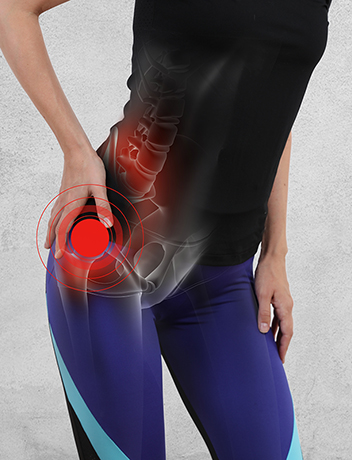
Why the Right Diagnosis Matters
For patients with femoroacetabular impingement (FAI), getting the right diagnosis can make a meaningful difference in how quickly they receive appropriate treatment and return to the activities they enjoy.
In a study of patients with FAI, the average duration of symptoms before receiving a definitive diagnosis was 3.1 years, with some patients experiencing symptoms for as long as 15 years. During that time, patients saw an average of 4.2 healthcare providers before their FAI was diagnosed.1
The path to diagnosis was often complicated. Patients received 19 different diagnoses before their FAI was identified. Some were diagnosed with soft-tissue injuries, hip osteoarthritis, hip dysplasia, knee pain, low back pain, osteitis pubis, or fibromyalgia. Treatment during this period commonly included medications, physical therapy, chiropractic care, and injections. In 13% of cases, patients even underwent surgery for a different problem without improvement in their symptoms.1
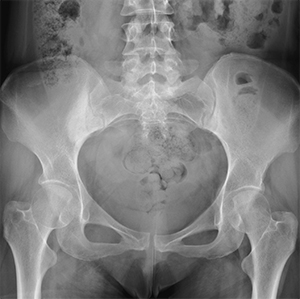
These findings highlight why a thorough, hip-specific evaluation matters. FAI can present with symptoms that overlap with other conditions, and identifying the source of pain requires more than simply treating the area where symptoms are felt.
At American Hip Institute, hip is our specialty. Our physicians focus on diagnosing and treating conditions affecting the hip, including FAI and associated labral pathology. We evaluate each patient using their medical history, physical examination, imaging, activity goals, and previous treatments to understand the underlying cause of their symptoms.
The goal is not simply to give patients a diagnosis. It is to identify the problem accurately and develop a treatment plan designed to help them get back to the activities they love—whether that means sports, exercise, work, or everyday life.
- Clohisy JC, Knaus ER, Hunt DM, Lesher JM, Harris-Hayes M, Prather H. Clinical presentation of patients with symptomatic anterior hip impingement. Clin Orthop Relat Res. 2009 Mar;467(3):638-44. doi: 10.1007/s11999-008-0680-y. Epub 2009 Jan 7. PMID: 19130160; PMCID: PMC2635448.