
Two athletes walk in with nearly identical MRI reports: a labral tear, some cartilage wear, mild impingement. One can barely walk without pain. The other is still competing at full intensity. Same scan, completely different experience. If you've ever been told your MRI "looks fine" despite real pain, or "looks bad" despite feeling fine, here's why imaging is only part of the story.
An MRI Shows Structure, Not Pain
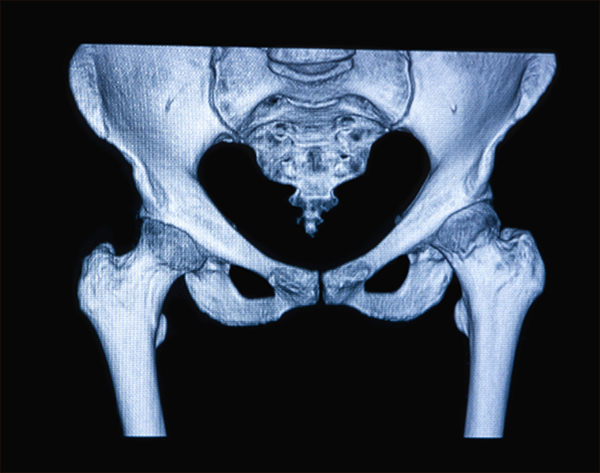
MRIs are excellent at showing what your hip looks like: tears, inflammation, bone shape, cartilage thickness. What they can't show is how your nervous system, muscles, and movement patterns are actually responding to that structure day to day. Pain is generated by the brain's interpretation of signals from the body, not by the tissue damage alone. That's why a labral tear that's been there for years can suddenly start hurting after a change in training load, while a similar tear in someone else stays silent indefinitely.
Why Two Identical Scans Can Mean Two Different Diagnoses
Hip pain is rarely caused by one isolated structure. Strength imbalances, hip and pelvic alignment, compensations from old injuries elsewhere in the kinetic chain, and even how an athlete's specific sport loads the joint all influence whether a structural finding becomes symptomatic. A pitcher, a sprinter, and a ballet dancer can have nearly the same imaging findings and need entirely different treatment approaches, because the demands on their hips, and the way their bodies have adapted to those demands, aren't the same.
This difference can be due to several factors including:
- Individual pain tolerance: Everyone experiences and processes pain uniquely.
- Muscle strength and support: Strong surrounding muscles can stabilize the hip and reduce symptoms.
- Inflammation levels: The body's inflammatory response varies and affects pain intensity.
- Activity level and biomechanics: How an athlete moves can either exacerbate or ease symptoms.
The Danger of Treating the Scan Instead of the Athlete
When imaging becomes the sole basis for a treatment plan, athletes can end up either over-treated for findings that were never causing symptoms, or under-treated because a clinician dismissed real pain as "nothing showed up." Incidental findings are common: studies on asymptomatic athletes routinely show labral and cartilage abnormalities in people with zero hip complaints. Treating an image instead of a person risks unnecessary surgery in one direction and missed diagnoses in the other.
What a Complete Hip Evaluation Actually Looks Like
A thorough evaluation pairs imaging with a detailed history, a hands-on movement and strength assessment, and an understanding of the athlete's sport-specific demands. This is where the real diagnostic work happens, correlating what the MRI shows with what the athlete actually feels during specific movements, loads, and positions. That correlation, not the scan alone, is what points to an accurate diagnosis and a treatment plan built around getting back to sport, not just resolving an image.
The Bottom Line for Athletes
If your MRI results don't seem to match how you feel, that's not a contradiction to ignore. It's a signal that the full picture, including your symptoms, movement patterns, and sport-specific demands, needs to be part of the conversation. An accurate diagnosis starts with a clinician who treats the athlete in front of them, not just the scan on the screen.
Frequently Asked Questions
- Can an MRI be normal even if my hip really hurts?
Yes. Pain can come from muscle imbalances, movement patterns, or inflammation that don't always show up clearly on imaging. - Can I have a labral tear and not feel any pain?
Yes, this is common. Many athletes have incidental labral or cartilage findings with no symptoms at all. - Why did two doctors interpret my same MRI differently?
Imaging interpretation involves clinical judgment, and correlating findings with your specific symptoms and sport can lead specialists to different conclusions. - Does a "bad" MRI mean I need surgery?
Not necessarily. Treatment decisions should be based on your symptoms and function, not imaging findings alone. - Why do athletes in different sports need different treatment for similar scans?
Each sport places unique demands on the hip, so the same structural finding may require a different approach depending on those demands.